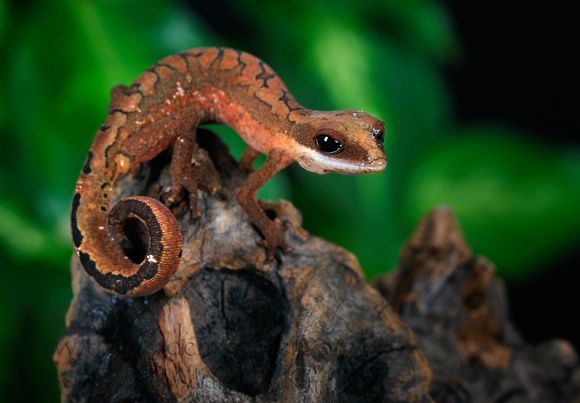
Cat Gecko PAIR
Cat Gecko (Aeluroscalabotes felinus) Care Sheet
Quick Facts
| Attribute | Details |
|---|---|
| Common Name | Cat Gecko |
| Scientific Name | Aeluroscalabotes felinus |
| Origin | Southeast Asia (Thailand, Malaysia, Indonesia) |
| Adult Size | 18–22 cm |
| Lifespan | 8–12 years in captivity |
| Activity | Nocturnal, arboreal / semi-arboreal |
Behavior
-
Secretive, nocturnal species; most active at night.
-
Arboreal and semi-arboreal; enjoys climbing trees, branches, and hides.
-
Shy and slow-moving; minimal handling recommended.
-
Excellent display species for planted vivariums with hiding opportunities.
Enclosure Requirements
-
Tank Size: Minimum 60–80 liters vertical for a single adult
-
Substrate: Coconut fiber, soil mix, or orchid bark to maintain humidity
-
Decor: Branches, cork bark, live plants, and hides
-
Humidity: 70–85%
-
Temperature:
-
Warm spot: 28–30°C
-
Ambient: 24–26°C
-
Night: 20–22°C
-
-
Lighting: Low to moderate light; UVB optional but recommended for plant growth
-
Ventilation: Good airflow to prevent mold
Compatibility
-
Best housed singly or in a carefully monitored pair.
-
Avoid aggressive or larger species; territorial disputes may occur.
Diet
-
Carnivorous; feeds on insects:
-
Crickets, roaches, mealworms, waxworms (as treat)
-
-
Juveniles: feed daily
-
Adults: feed every 2–3 days
-
Dust prey with calcium and vitamin supplements regularly
-
Provide shallow water dish and mist leaves for hydration
Care Tips
-
Maintain high humidity and provide plenty of climbing structures.
-
Spot-clean enclosure regularly; remove feces and uneaten prey.
-
Minimal handling to avoid stress; geckos are sensitive to disturbance.
-
Monitor for shedding issues, parasites, or lethargy.
Breeding
-
Oviparous; females lay small clutches of 1–2 eggs in moist substrate or hidden areas.
-
Incubation: 60–75 days at 26–28°C.
-
Hatchlings are independent and require appropriately sized prey.
Visual Quick Guide
-
🏠 Enclosure: ≥60–80 L vertical, branches, plants, hides
-
🌡️ Temp: Warm spot 28–30°C / Ambient 24–26°C / Night 20–22°C
-
💧 Humidity: 70–85%
-
🍴 Diet: Carnivorous (small insects)
-
🕒 Activity: Nocturnal, arboreal
-
⚠️ Stress: Provide hides, climbing surfaces, high humidity, and minimal handling
Please note: We don't ship live animals. You can order online and choose click and collect, and we will hold it for you.
Product Information
Product Information
Shipping & Returns
Shipping & Returns
Description
Cat Gecko (Aeluroscalabotes felinus) Care Sheet
Quick Facts
| Attribute | Details |
|---|---|
| Common Name | Cat Gecko |
| Scientific Name | Aeluroscalabotes felinus |
| Origin | Southeast Asia (Thailand, Malaysia, Indonesia) |
| Adult Size | 18–22 cm |
| Lifespan | 8–12 years in captivity |
| Activity | Nocturnal, arboreal / semi-arboreal |
Behavior
-
Secretive, nocturnal species; most active at night.
-
Arboreal and semi-arboreal; enjoys climbing trees, branches, and hides.
-
Shy and slow-moving; minimal handling recommended.
-
Excellent display species for planted vivariums with hiding opportunities.
Enclosure Requirements
-
Tank Size: Minimum 60–80 liters vertical for a single adult
-
Substrate: Coconut fiber, soil mix, or orchid bark to maintain humidity
-
Decor: Branches, cork bark, live plants, and hides
-
Humidity: 70–85%
-
Temperature:
-
Warm spot: 28–30°C
-
Ambient: 24–26°C
-
Night: 20–22°C
-
-
Lighting: Low to moderate light; UVB optional but recommended for plant growth
-
Ventilation: Good airflow to prevent mold
Compatibility
-
Best housed singly or in a carefully monitored pair.
-
Avoid aggressive or larger species; territorial disputes may occur.
Diet
-
Carnivorous; feeds on insects:
-
Crickets, roaches, mealworms, waxworms (as treat)
-
-
Juveniles: feed daily
-
Adults: feed every 2–3 days
-
Dust prey with calcium and vitamin supplements regularly
-
Provide shallow water dish and mist leaves for hydration
Care Tips
-
Maintain high humidity and provide plenty of climbing structures.
-
Spot-clean enclosure regularly; remove feces and uneaten prey.
-
Minimal handling to avoid stress; geckos are sensitive to disturbance.
-
Monitor for shedding issues, parasites, or lethargy.
Breeding
-
Oviparous; females lay small clutches of 1–2 eggs in moist substrate or hidden areas.
-
Incubation: 60–75 days at 26–28°C.
-
Hatchlings are independent and require appropriately sized prey.
Visual Quick Guide
-
🏠 Enclosure: ≥60–80 L vertical, branches, plants, hides
-
🌡️ Temp: Warm spot 28–30°C / Ambient 24–26°C / Night 20–22°C
-
💧 Humidity: 70–85%
-
🍴 Diet: Carnivorous (small insects)
-
🕒 Activity: Nocturnal, arboreal
-
⚠️ Stress: Provide hides, climbing surfaces, high humidity, and minimal handling
Please note: We don't ship live animals. You can order online and choose click and collect, and we will hold it for you.