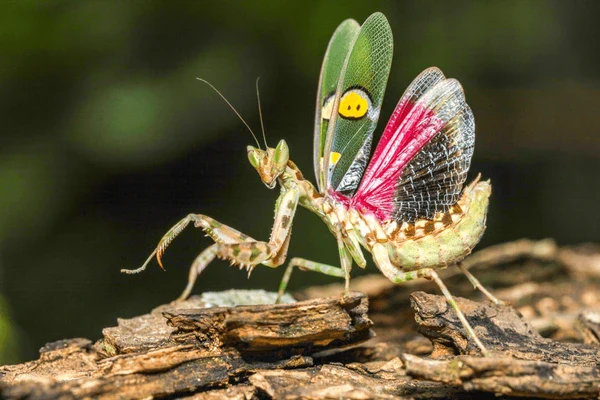
Jewel Flower Mantis
Jewel Flower Mantis (Creobroter gemmatus) Care Sheet
Quick Facts
| Attribute | Details |
|---|---|
| Common Name | Jewel Flower Mantis |
| Scientific Name | Creobroter gemmatus |
| Origin | Southeast Asia (India, Myanmar, Thailand) |
| Adult Size | 4–6 cm |
| Lifespan | 6–12 months |
| Activity | Diurnal, predatory |
Behavior
-
Small, fast-moving mantis; very alert and active.
-
Diurnal predator; hunts small insects using ambush tactics.
-
Exhibits striking coloration for camouflage among flowers and foliage.
-
Cannibalism can occur, especially in confined spaces or during feeding.
Enclosure Requirements
-
Tank Size: Minimum 5–10 liters for a single adult
-
Substrate: 2–3 cm of coconut fiber, peat moss, or soil (optional)
-
Decor: Live or artificial plants, sticks, and small branches for climbing and hunting
-
Humidity: 60–70%
-
Temperature:
-
Day: 25–30°C
-
Night: 20–24°C
-
-
Lighting: Indirect or moderate light; mimics daytime conditions
-
Ventilation: Good airflow to prevent mold
Compatibility
-
Best housed singly; highly cannibalistic if kept together.
-
Avoid housing with other predatory insects.
Diet
-
Carnivorous; feeds on small live insects:
-
Fruit flies (for juveniles)
-
Small crickets
-
Pinhead roaches
-
-
Feed juveniles daily; adults every 2–3 days
-
Remove uneaten prey to prevent stress or injury
Care Tips
-
Avoid handling; mantids are delicate and can be injured easily.
-
Maintain consistent temperature and humidity.
-
Provide vertical space for climbing and hunting.
-
Clean enclosure regularly; remove dead prey and mold.
-
Monitor feeding closely to prevent cannibalism.
Breeding
-
Oviparous; females lay eggs in a foam-like ootheca.
-
Incubation: 3–4 weeks depending on temperature and humidity.
-
Nymphs are highly cannibalistic; separate immediately after hatching.
-
Feed nymphs appropriately sized live prey.
Visual Quick Guide
-
🏠 Enclosure: ≥5–10 L, plants/sticks for climbing
-
🌡️ Temp: Day 25–30°C / Night 20–24°C
-
💧 Humidity: 60–70%
-
🍴 Diet: Carnivorous (small live insects)
-
🕒 Activity: Diurnal, ambush predator
-
⚠️ Stress: Avoid handling; separate nymphs to prevent cannibalism
Please note: We don't ship live animals. You can order online and choose click and collect, and we will hold it for you.
Original: $30.36
-65%$30.36
$10.63Product Information
Product Information
Shipping & Returns
Shipping & Returns
Description
Jewel Flower Mantis (Creobroter gemmatus) Care Sheet
Quick Facts
| Attribute | Details |
|---|---|
| Common Name | Jewel Flower Mantis |
| Scientific Name | Creobroter gemmatus |
| Origin | Southeast Asia (India, Myanmar, Thailand) |
| Adult Size | 4–6 cm |
| Lifespan | 6–12 months |
| Activity | Diurnal, predatory |
Behavior
-
Small, fast-moving mantis; very alert and active.
-
Diurnal predator; hunts small insects using ambush tactics.
-
Exhibits striking coloration for camouflage among flowers and foliage.
-
Cannibalism can occur, especially in confined spaces or during feeding.
Enclosure Requirements
-
Tank Size: Minimum 5–10 liters for a single adult
-
Substrate: 2–3 cm of coconut fiber, peat moss, or soil (optional)
-
Decor: Live or artificial plants, sticks, and small branches for climbing and hunting
-
Humidity: 60–70%
-
Temperature:
-
Day: 25–30°C
-
Night: 20–24°C
-
-
Lighting: Indirect or moderate light; mimics daytime conditions
-
Ventilation: Good airflow to prevent mold
Compatibility
-
Best housed singly; highly cannibalistic if kept together.
-
Avoid housing with other predatory insects.
Diet
-
Carnivorous; feeds on small live insects:
-
Fruit flies (for juveniles)
-
Small crickets
-
Pinhead roaches
-
-
Feed juveniles daily; adults every 2–3 days
-
Remove uneaten prey to prevent stress or injury
Care Tips
-
Avoid handling; mantids are delicate and can be injured easily.
-
Maintain consistent temperature and humidity.
-
Provide vertical space for climbing and hunting.
-
Clean enclosure regularly; remove dead prey and mold.
-
Monitor feeding closely to prevent cannibalism.
Breeding
-
Oviparous; females lay eggs in a foam-like ootheca.
-
Incubation: 3–4 weeks depending on temperature and humidity.
-
Nymphs are highly cannibalistic; separate immediately after hatching.
-
Feed nymphs appropriately sized live prey.
Visual Quick Guide
-
🏠 Enclosure: ≥5–10 L, plants/sticks for climbing
-
🌡️ Temp: Day 25–30°C / Night 20–24°C
-
💧 Humidity: 60–70%
-
🍴 Diet: Carnivorous (small live insects)
-
🕒 Activity: Diurnal, ambush predator
-
⚠️ Stress: Avoid handling; separate nymphs to prevent cannibalism
Please note: We don't ship live animals. You can order online and choose click and collect, and we will hold it for you.