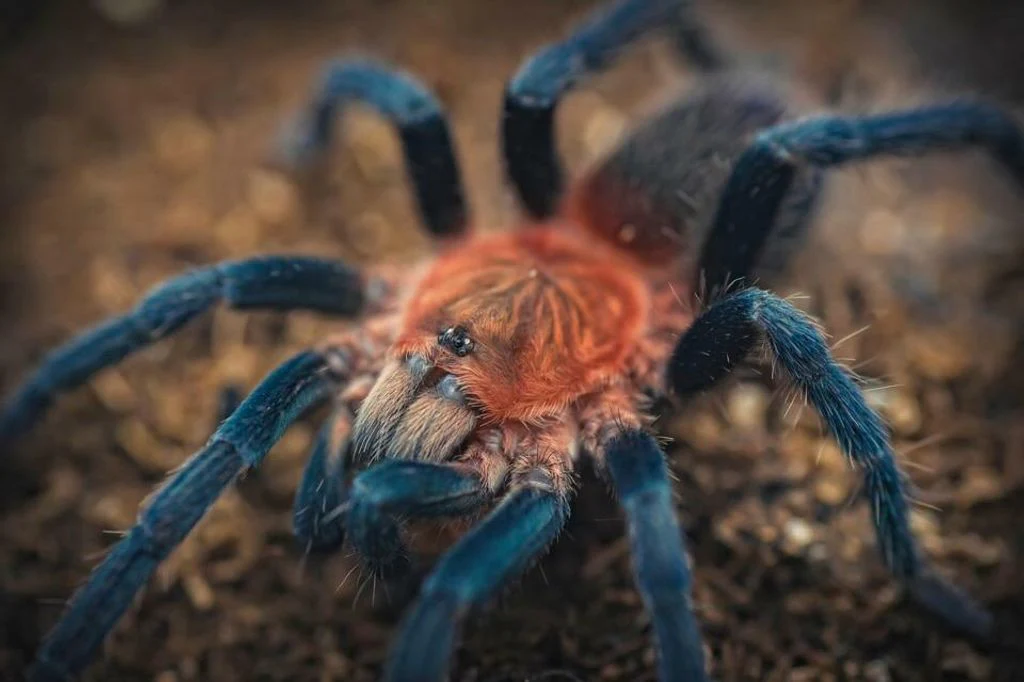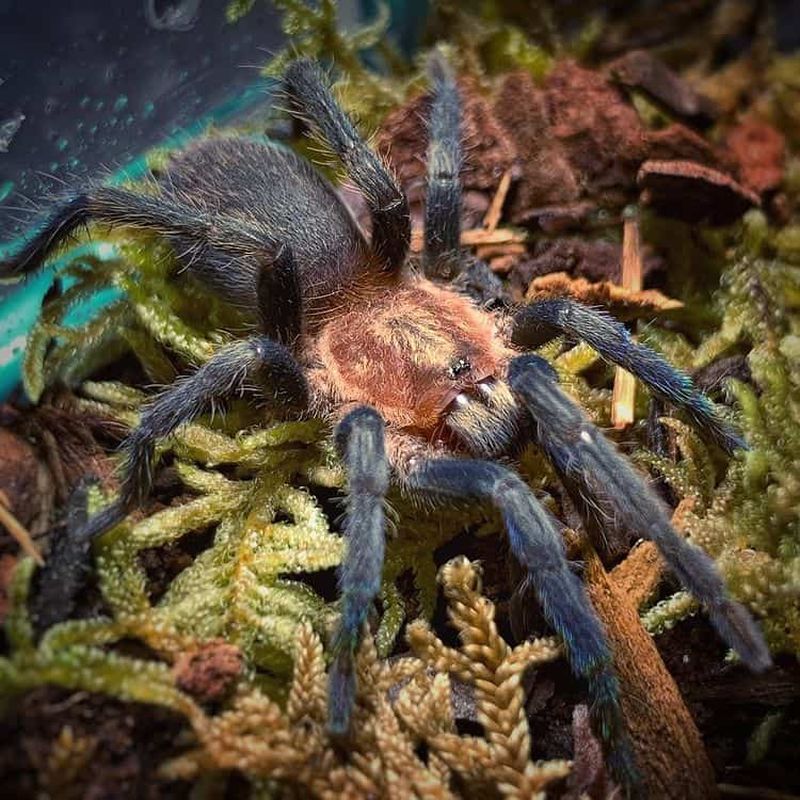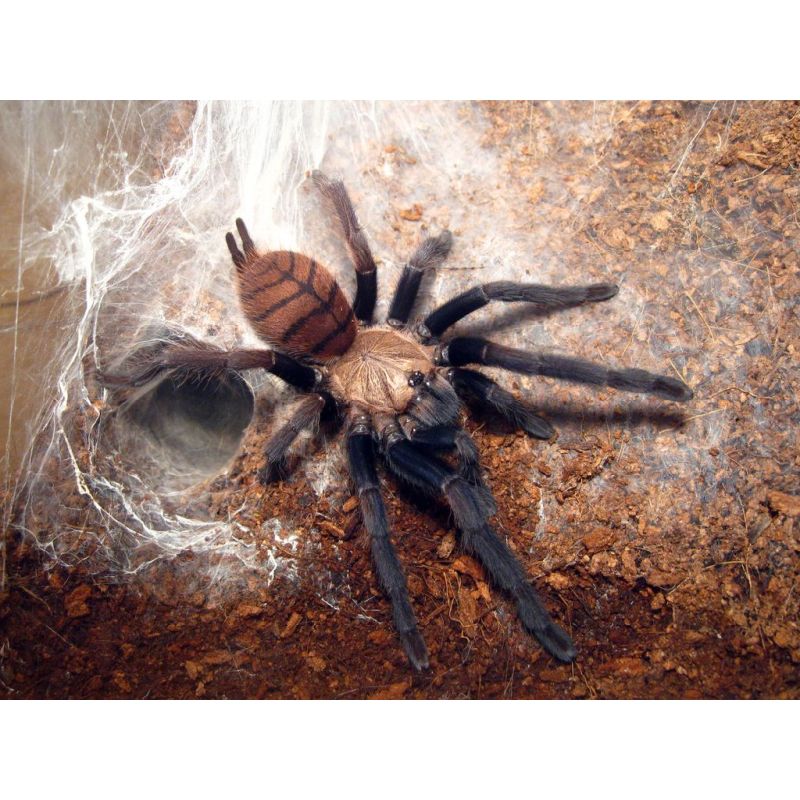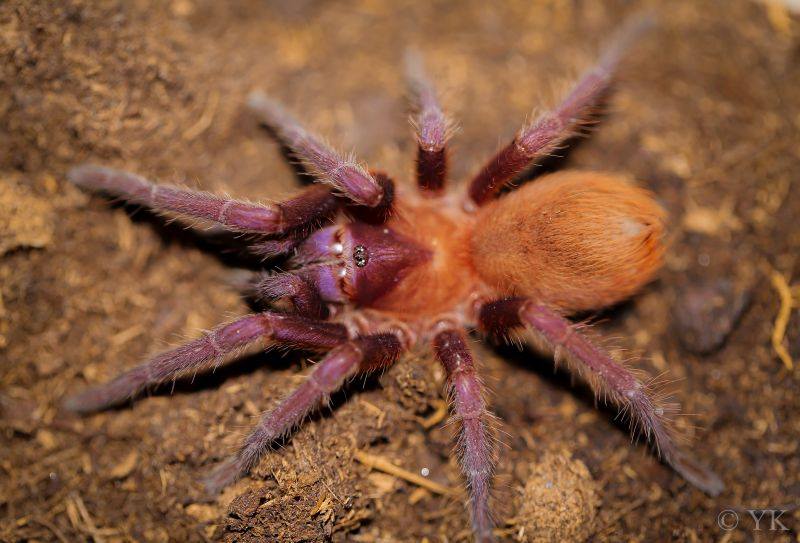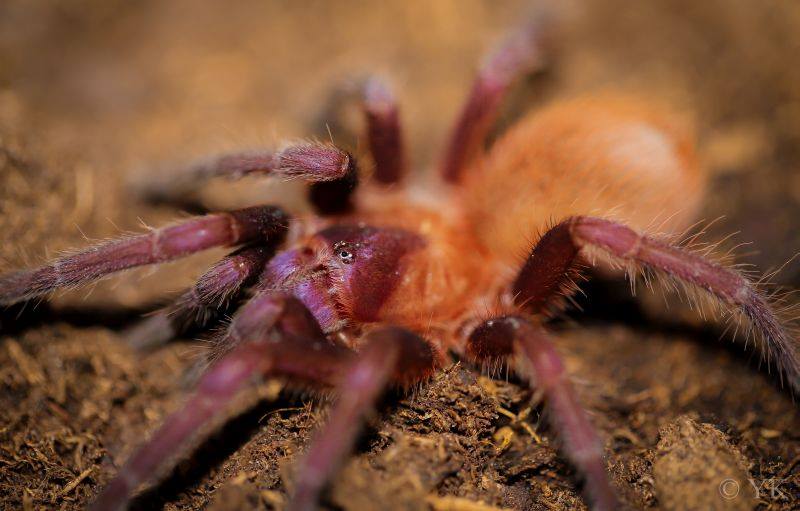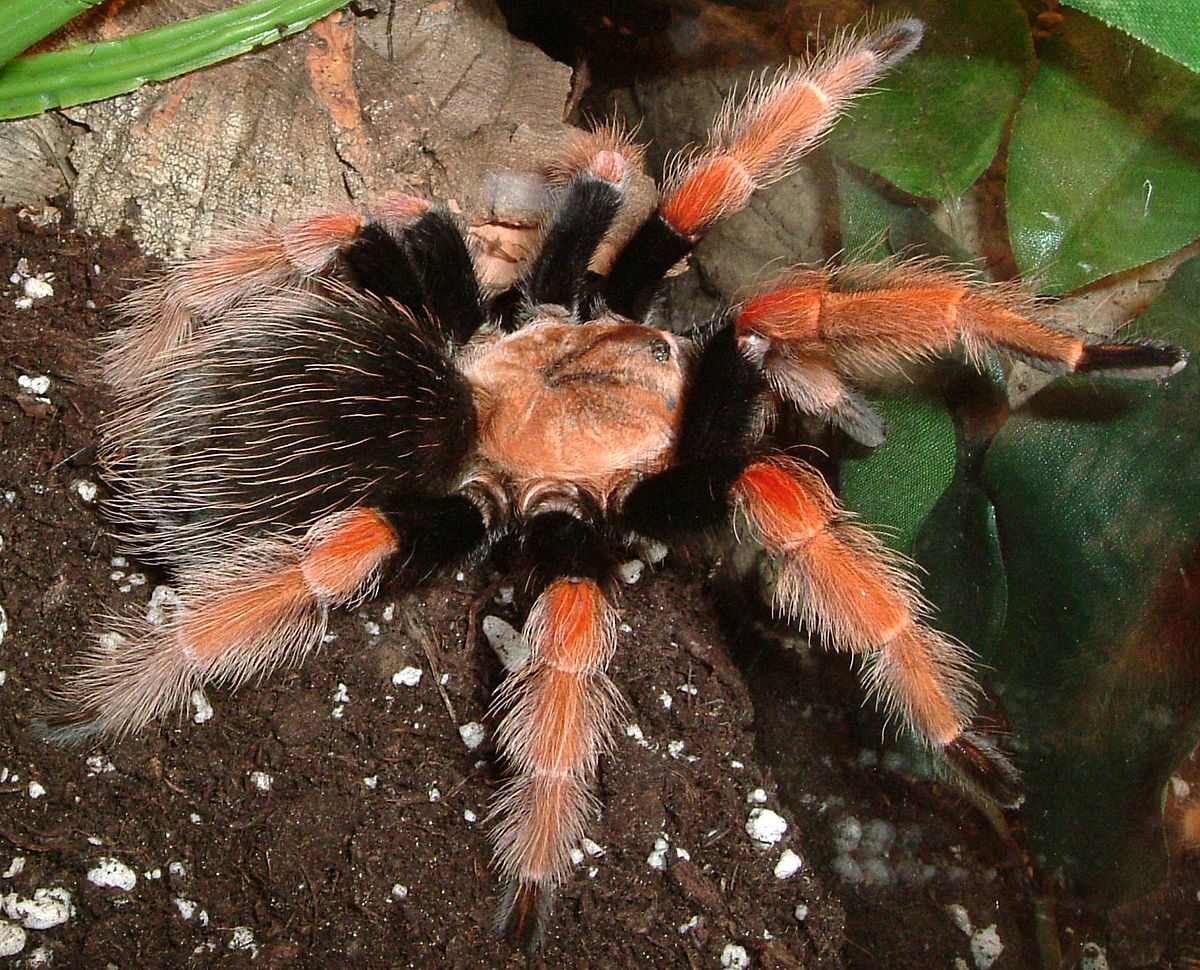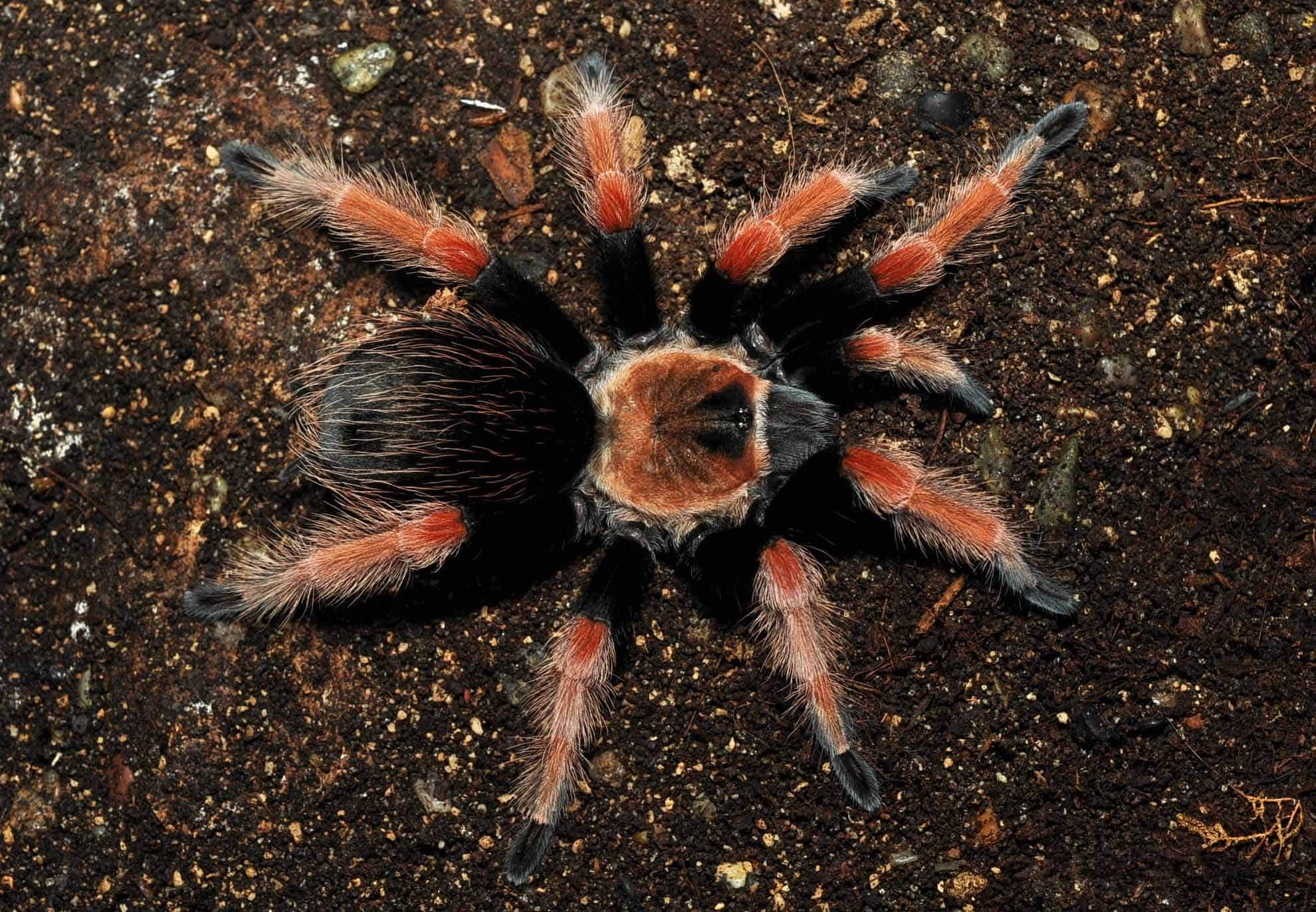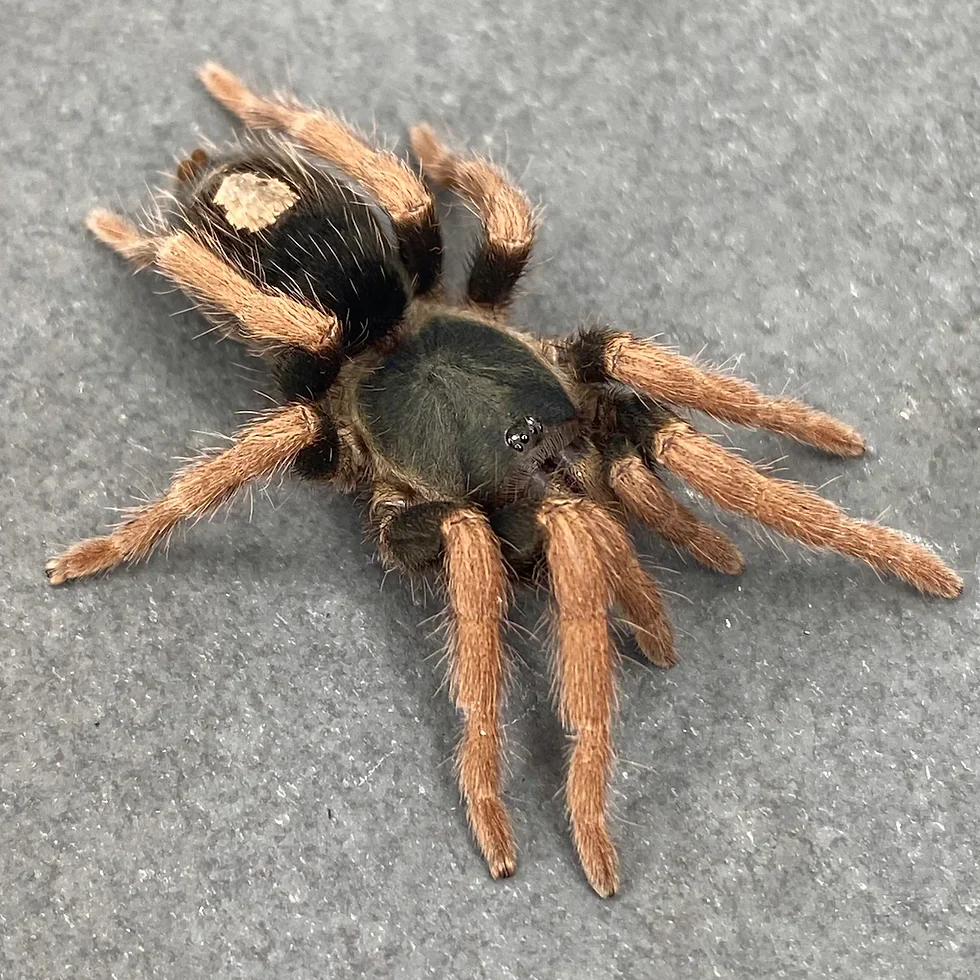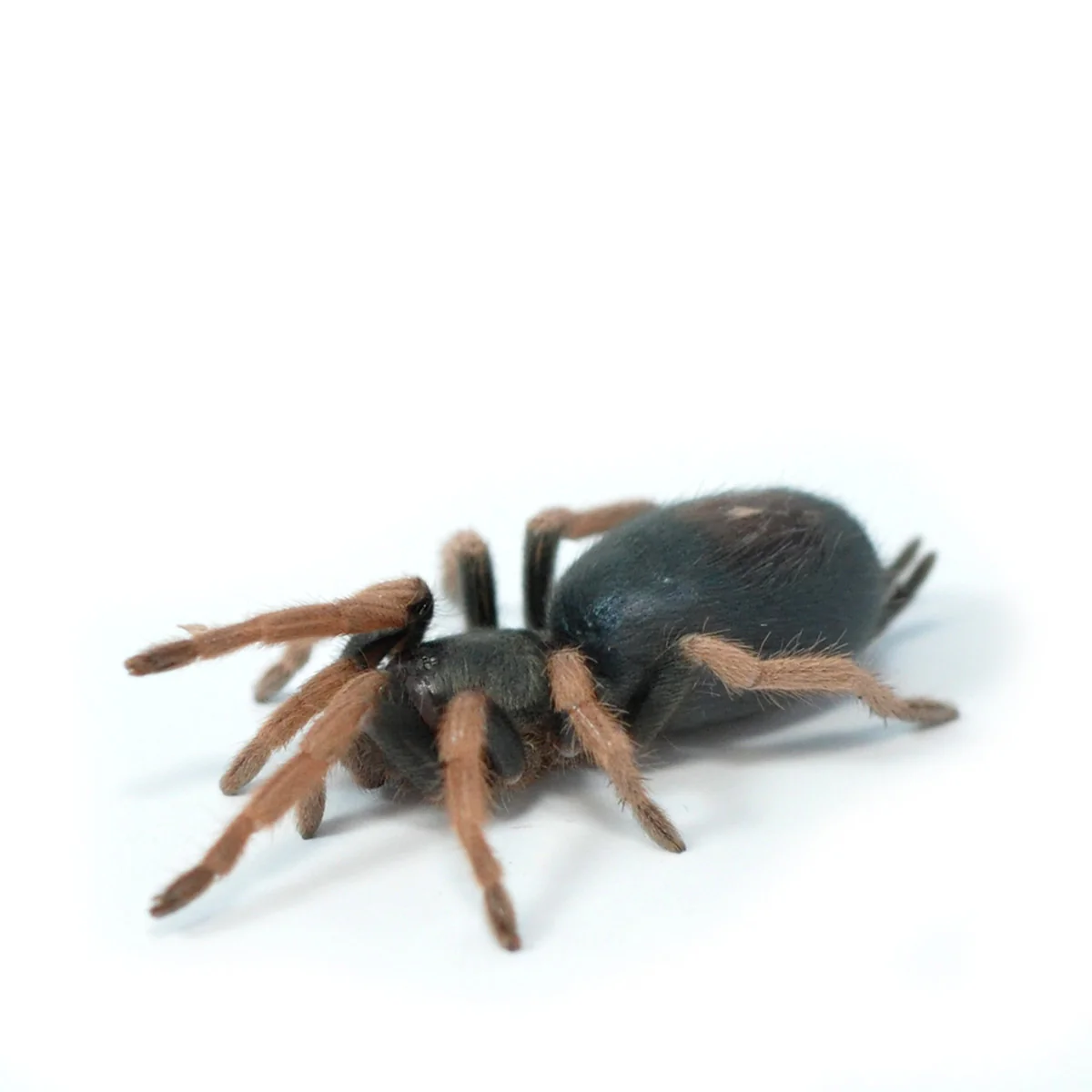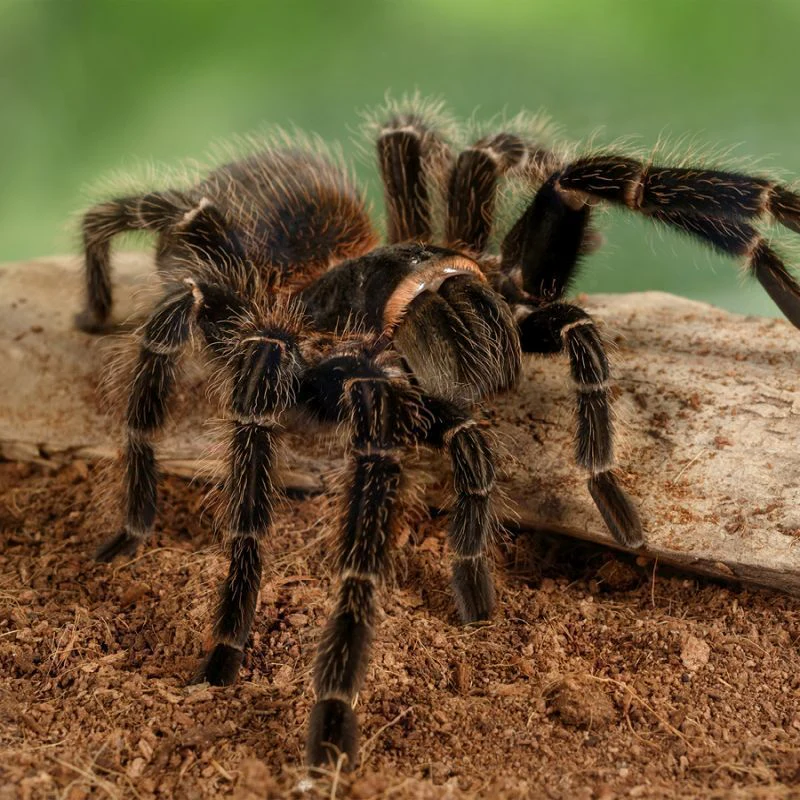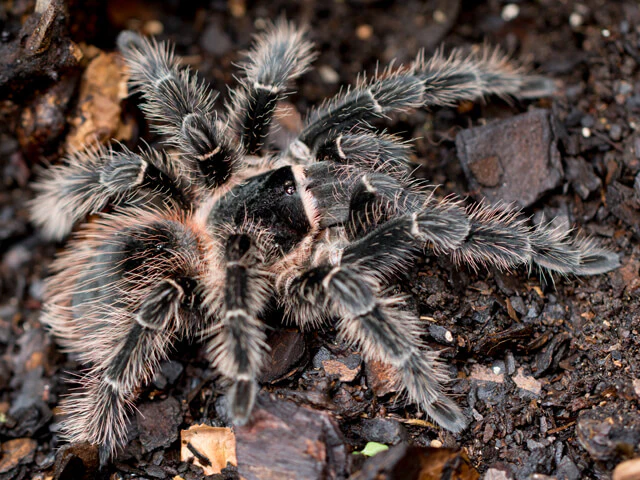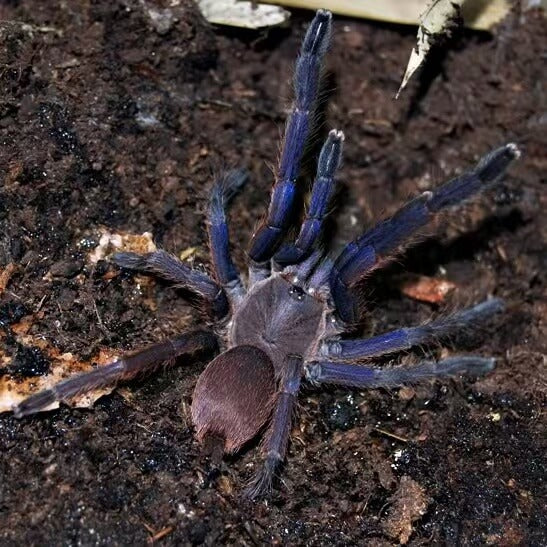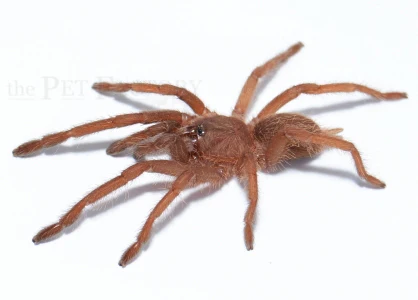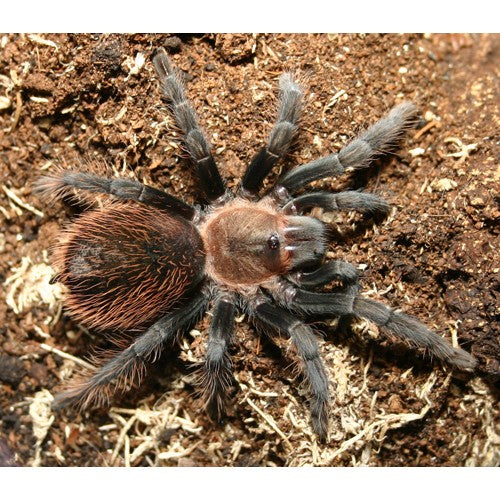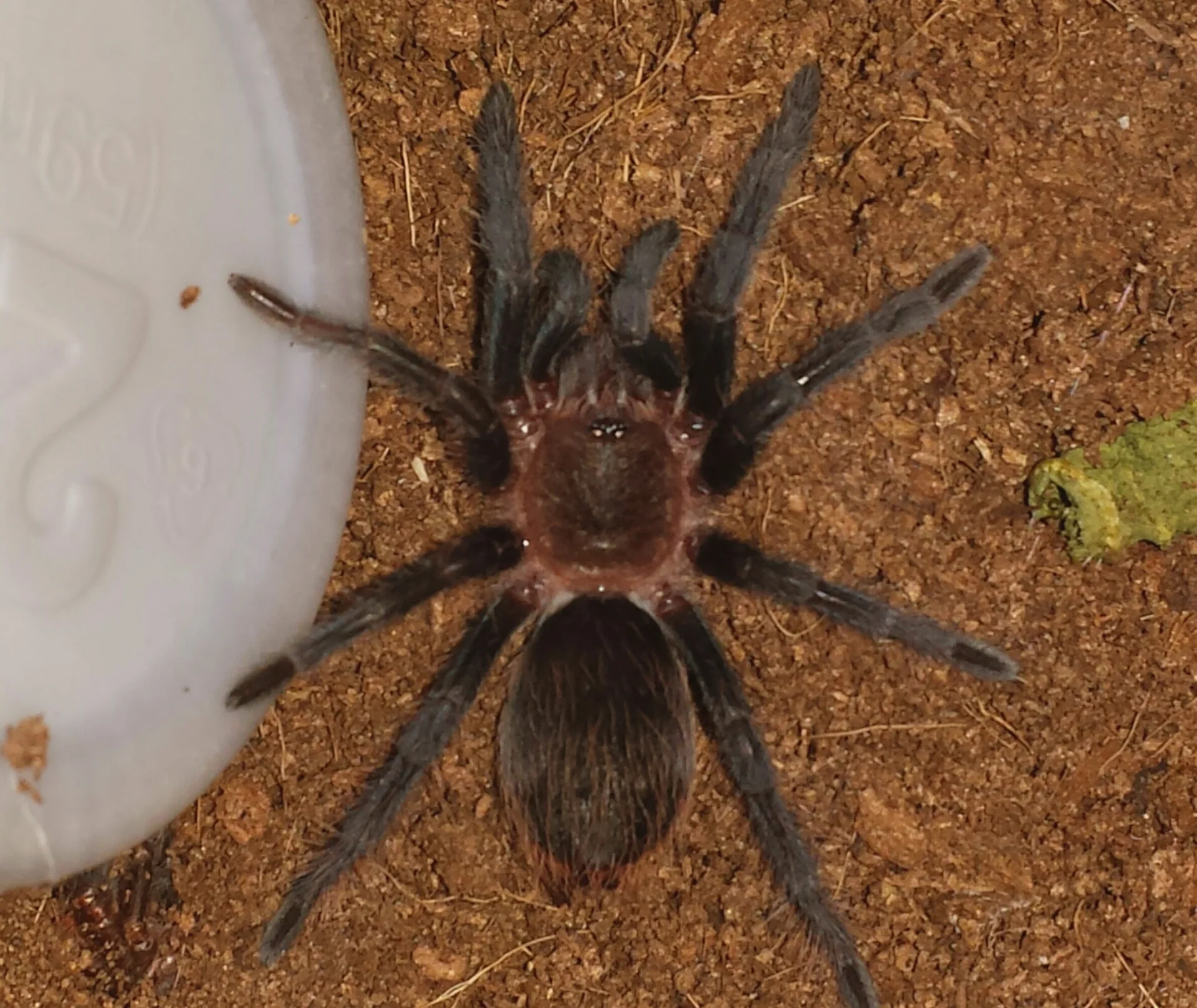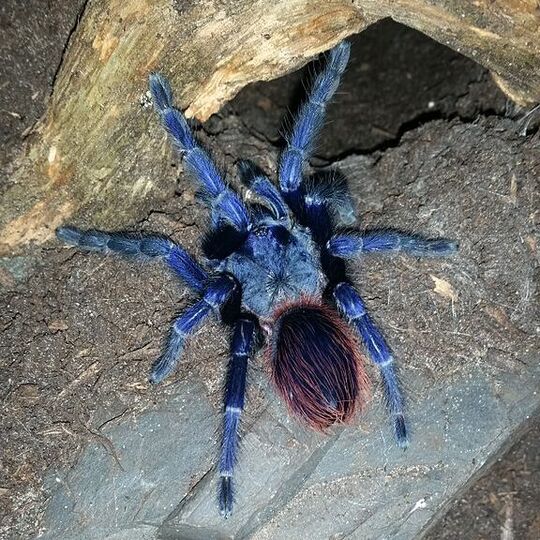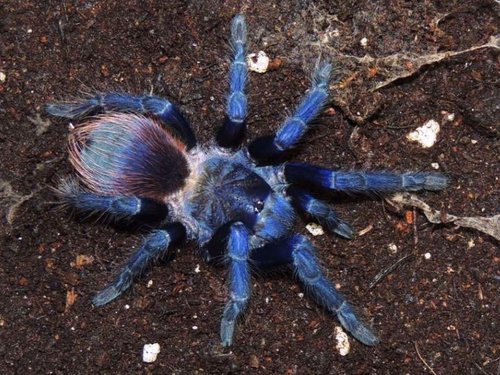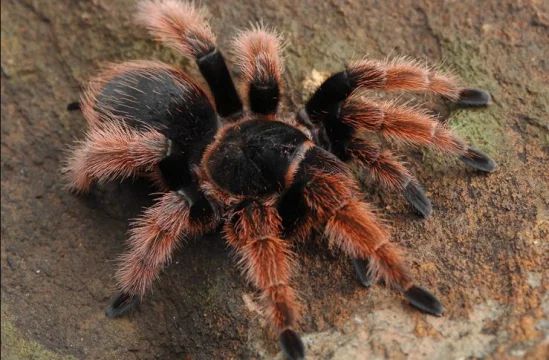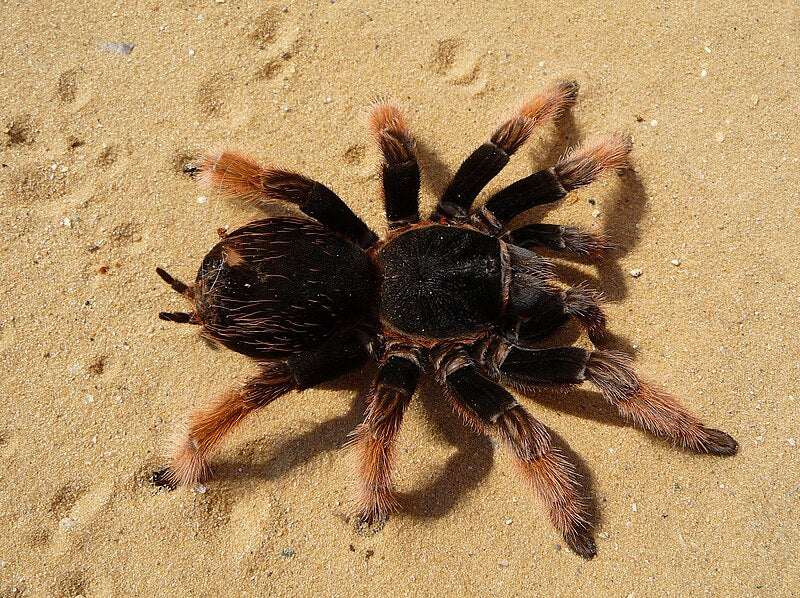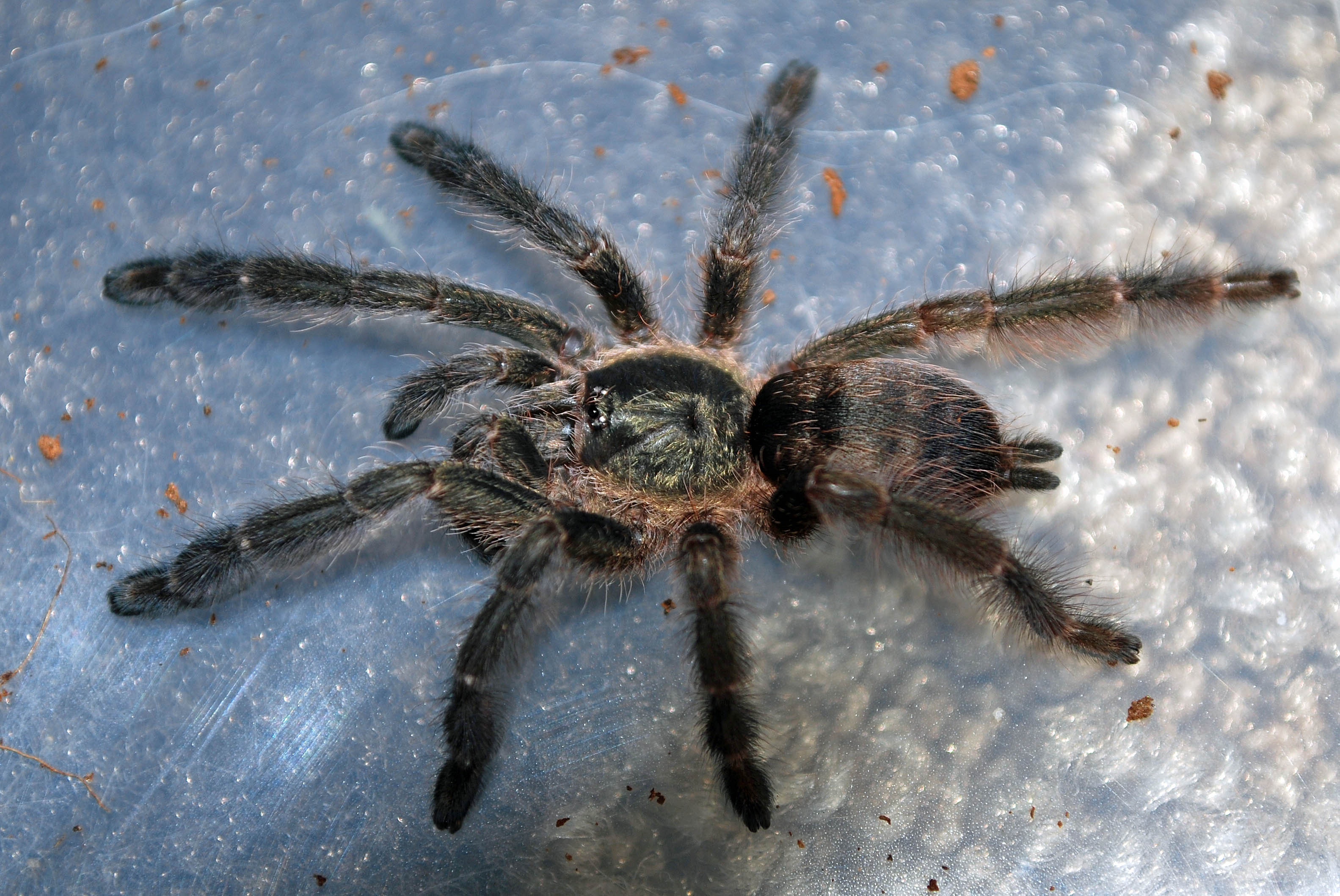
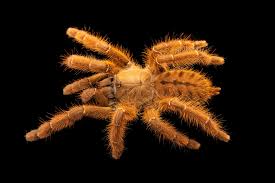
Peach Earth Tiger Tarantula (Aspinochilus rufus)
Peach Earth Tiger Tarantula (Aspinochilus rufus) Care Sheet
Formally: Phormingochilus sp. rufus.
Quick Facts
| Attribute | Details |
|---|---|
| Common Name | Peach Earth Tiger Tarantula |
| Scientific Name | Aspinochilus rufus |
| Origin | East Africa (Tanzania, Kenya) |
| Adult Size | 12–15 cm leg span |
| Lifespan | Females: 15–20 years, Males: 3–5 years |
| Activity | Terrestrial/arboreal, nocturnal predator |
Behavior
-
Calm but fast-moving when disturbed; generally defensive if provoked.
-
Terrestrial; spends most of its time on or under substrate and in shallow burrows.
-
Uses silk to line burrows and create retreats (sometimes in tree hollows).
-
Active hunter at night; rarely aggressive unless provoked.
Enclosure Requirements
-
Tank Size: Minimum 30–40 liters for a single adult
-
Substrate: 8–12 cm of coconut fiber, soil, or peat moss; slightly moist but well-drained
-
Decor: Cork bark, rocks, logs; provide hiding spaces or shallow burrows
-
Humidity: 60–70%
-
Temperature:
-
Day: 24–28°C
-
Night: 20–24°C
-
-
Lighting: Low light; indirect only
-
Ventilation: Moderate airflow; avoid stagnant air
Compatibility
-
Best housed singly; territorial toward other spiders.
-
Avoid cohabiting with other invertebrates.
Diet
-
Carnivorous; feeds on live prey:
-
Crickets
-
Roaches
-
Mealworms / superworms
-
-
Feed juveniles 2–3× per week; adults 1× per week
-
Provide shallow water dish or damp cotton
-
Remove uneaten prey after 24 hours
Care Tips
-
Avoid handling; fragile and can be defensive.
-
Maintain proper substrate moisture for burrowing and molting.
-
Provide shallow burrows and hides lined with silk.
-
Spot-clean regularly; remove mold and waste.
-
Ensure secure lid; terrestrial but capable of climbing if stressed.
Breeding
-
Ovoviviparous; rarely attempted in captivity.
-
Females produce eggs internally and spiderlings emerge live.
-
Gestation: 4–6 months depending on conditions.
-
Spiderlings are independent and require appropriately sized prey.
Visual Quick Guide
-
🏠 Enclosure: ≥30–40 L, terrestrial substrate, hides, shallow burrows
-
🌡️ Temp: Day 24–28°C / Night 20–24°C
-
💧 Humidity: 60–70%
-
🍴 Diet: Carnivorous (live insects)
-
🕒 Activity: Nocturnal, terrestrial hunter
-
⚠️ Stress: Avoid handling; provide hides and burrows
Please note: We don't ship live animals. You can order online and choose click and collect, and we will hold it for you.
Product Information
Product Information
Shipping & Returns
Shipping & Returns
Description
Peach Earth Tiger Tarantula (Aspinochilus rufus) Care Sheet
Formally: Phormingochilus sp. rufus.
Quick Facts
| Attribute | Details |
|---|---|
| Common Name | Peach Earth Tiger Tarantula |
| Scientific Name | Aspinochilus rufus |
| Origin | East Africa (Tanzania, Kenya) |
| Adult Size | 12–15 cm leg span |
| Lifespan | Females: 15–20 years, Males: 3–5 years |
| Activity | Terrestrial/arboreal, nocturnal predator |
Behavior
-
Calm but fast-moving when disturbed; generally defensive if provoked.
-
Terrestrial; spends most of its time on or under substrate and in shallow burrows.
-
Uses silk to line burrows and create retreats (sometimes in tree hollows).
-
Active hunter at night; rarely aggressive unless provoked.
Enclosure Requirements
-
Tank Size: Minimum 30–40 liters for a single adult
-
Substrate: 8–12 cm of coconut fiber, soil, or peat moss; slightly moist but well-drained
-
Decor: Cork bark, rocks, logs; provide hiding spaces or shallow burrows
-
Humidity: 60–70%
-
Temperature:
-
Day: 24–28°C
-
Night: 20–24°C
-
-
Lighting: Low light; indirect only
-
Ventilation: Moderate airflow; avoid stagnant air
Compatibility
-
Best housed singly; territorial toward other spiders.
-
Avoid cohabiting with other invertebrates.
Diet
-
Carnivorous; feeds on live prey:
-
Crickets
-
Roaches
-
Mealworms / superworms
-
-
Feed juveniles 2–3× per week; adults 1× per week
-
Provide shallow water dish or damp cotton
-
Remove uneaten prey after 24 hours
Care Tips
-
Avoid handling; fragile and can be defensive.
-
Maintain proper substrate moisture for burrowing and molting.
-
Provide shallow burrows and hides lined with silk.
-
Spot-clean regularly; remove mold and waste.
-
Ensure secure lid; terrestrial but capable of climbing if stressed.
Breeding
-
Ovoviviparous; rarely attempted in captivity.
-
Females produce eggs internally and spiderlings emerge live.
-
Gestation: 4–6 months depending on conditions.
-
Spiderlings are independent and require appropriately sized prey.
Visual Quick Guide
-
🏠 Enclosure: ≥30–40 L, terrestrial substrate, hides, shallow burrows
-
🌡️ Temp: Day 24–28°C / Night 20–24°C
-
💧 Humidity: 60–70%
-
🍴 Diet: Carnivorous (live insects)
-
🕒 Activity: Nocturnal, terrestrial hunter
-
⚠️ Stress: Avoid handling; provide hides and burrows
Please note: We don't ship live animals. You can order online and choose click and collect, and we will hold it for you.