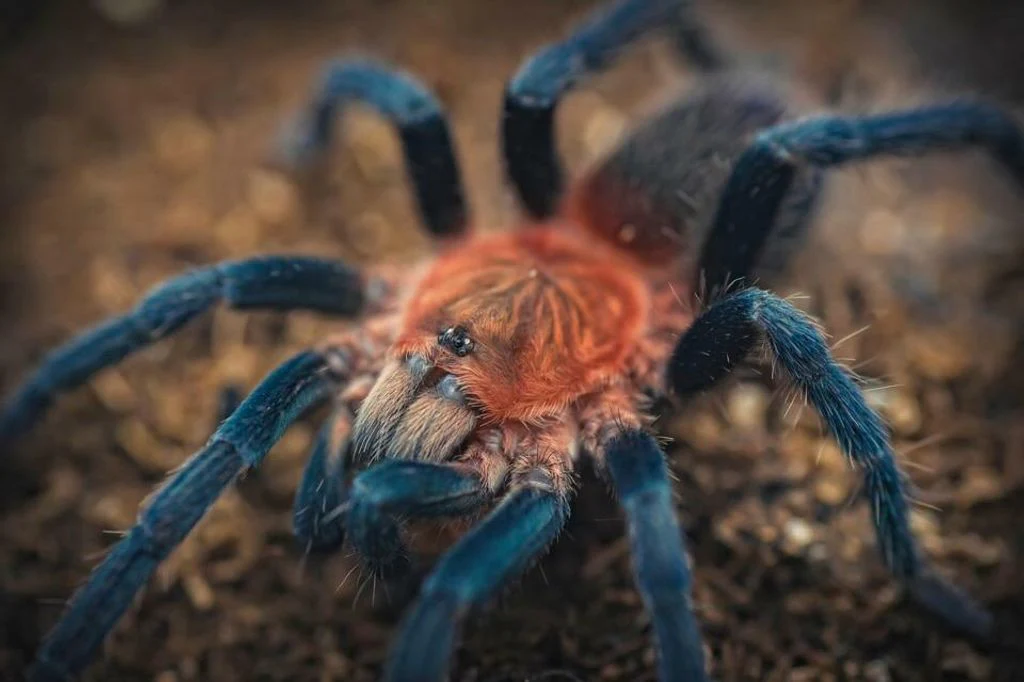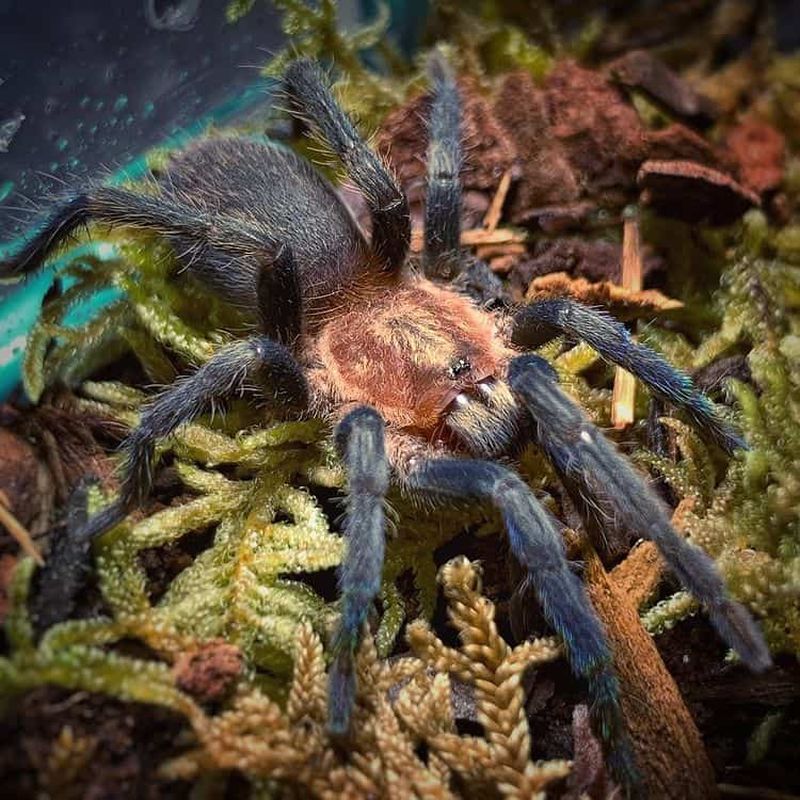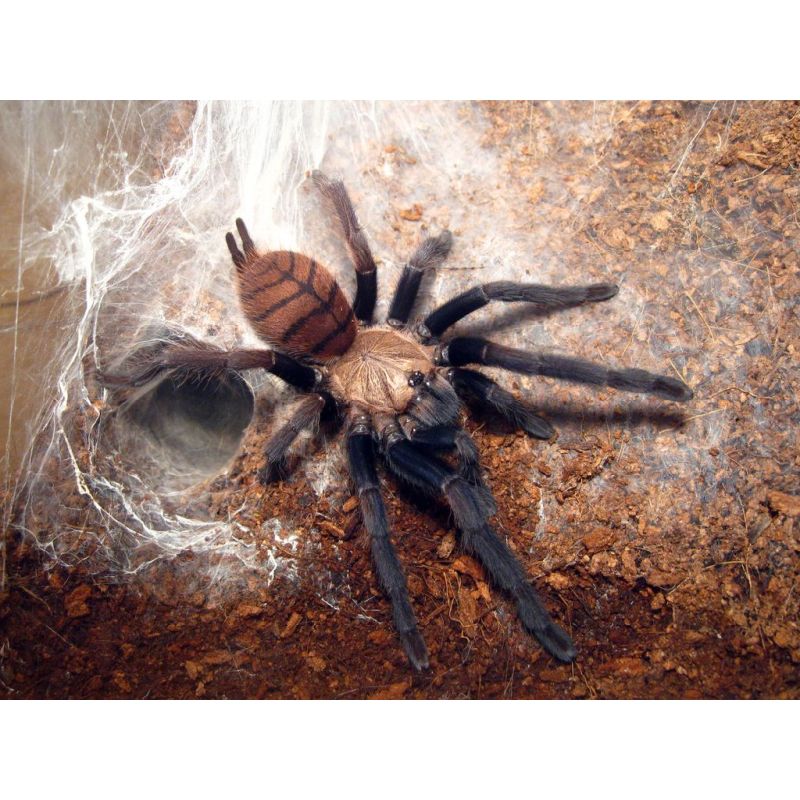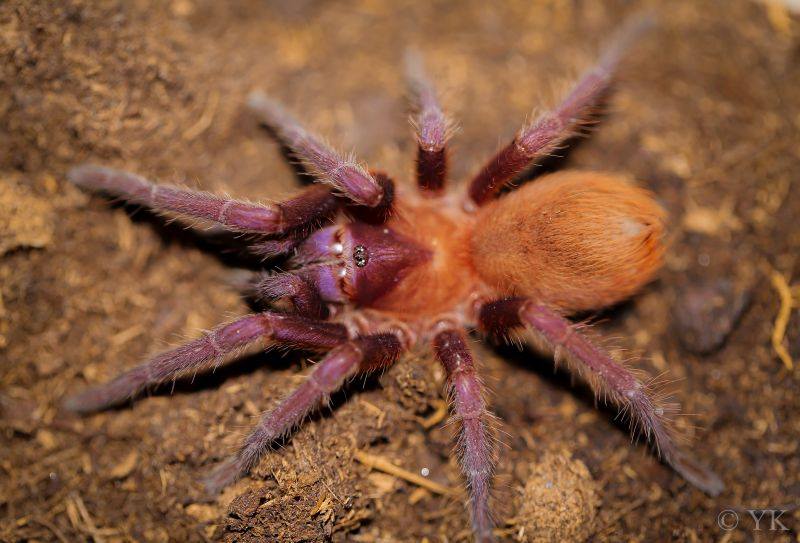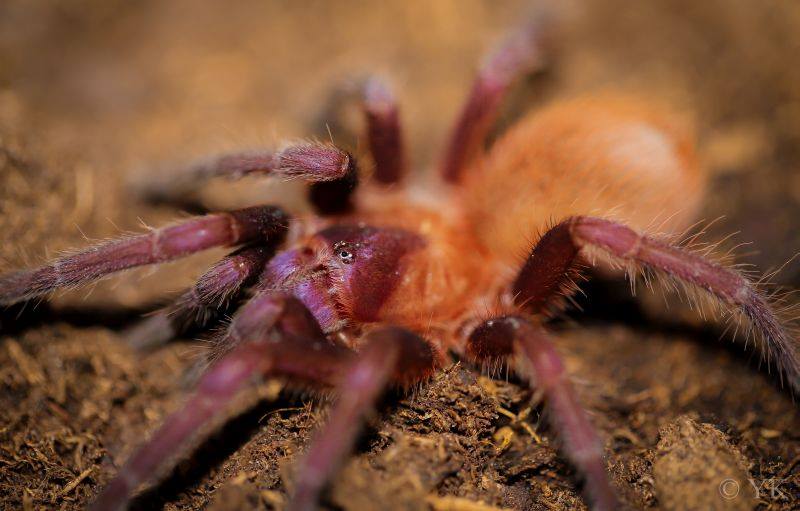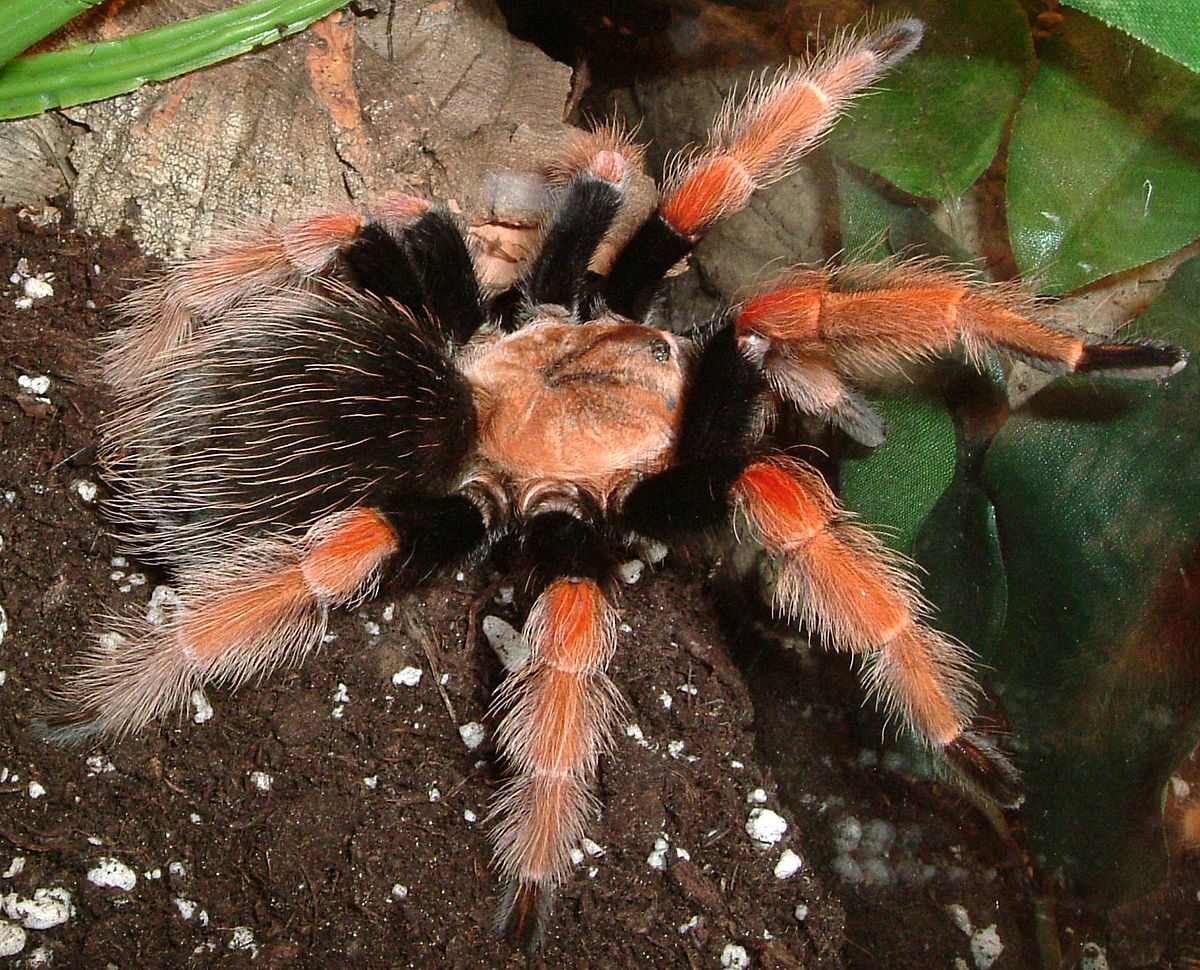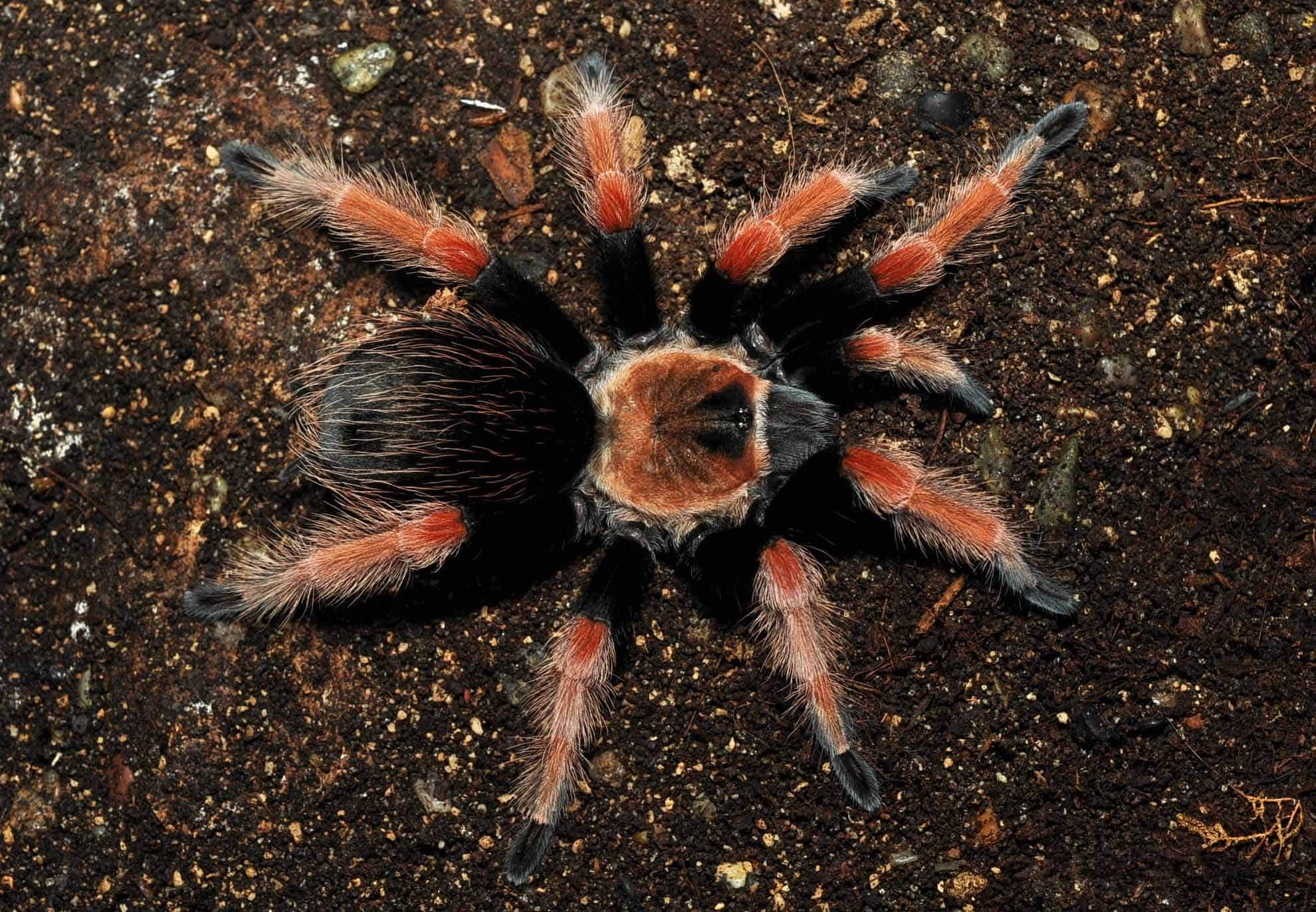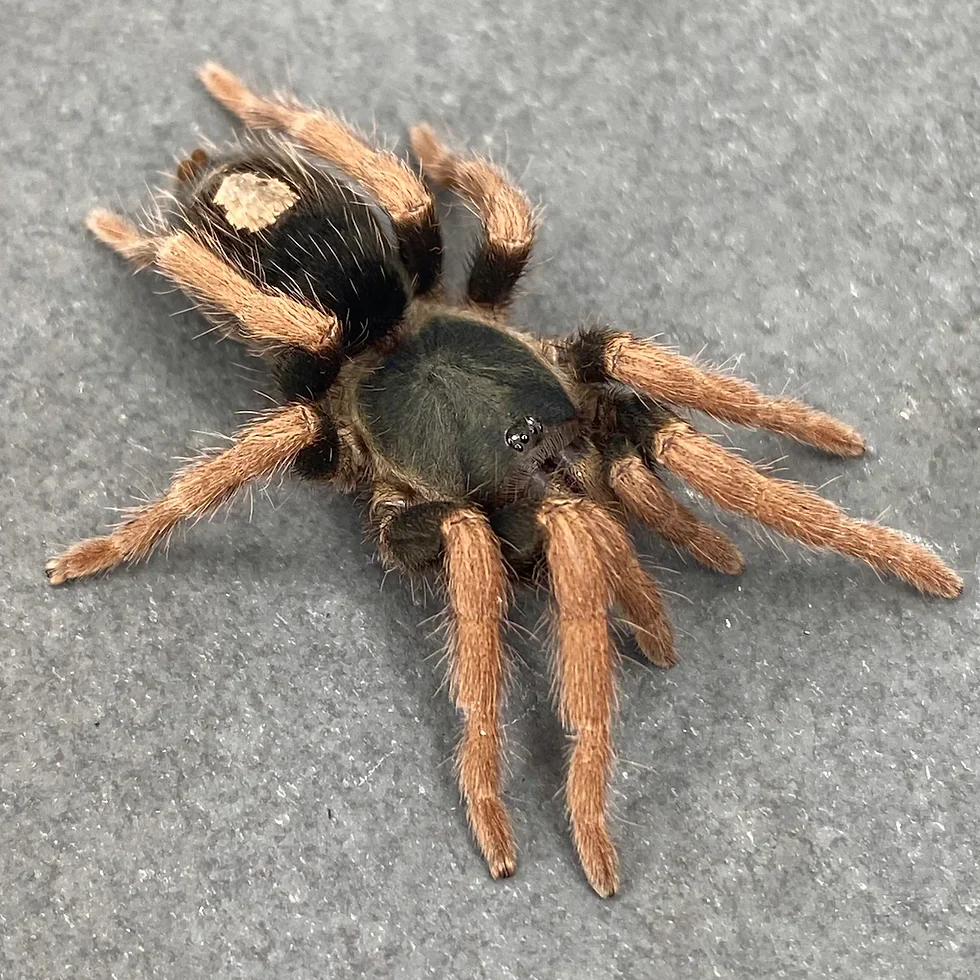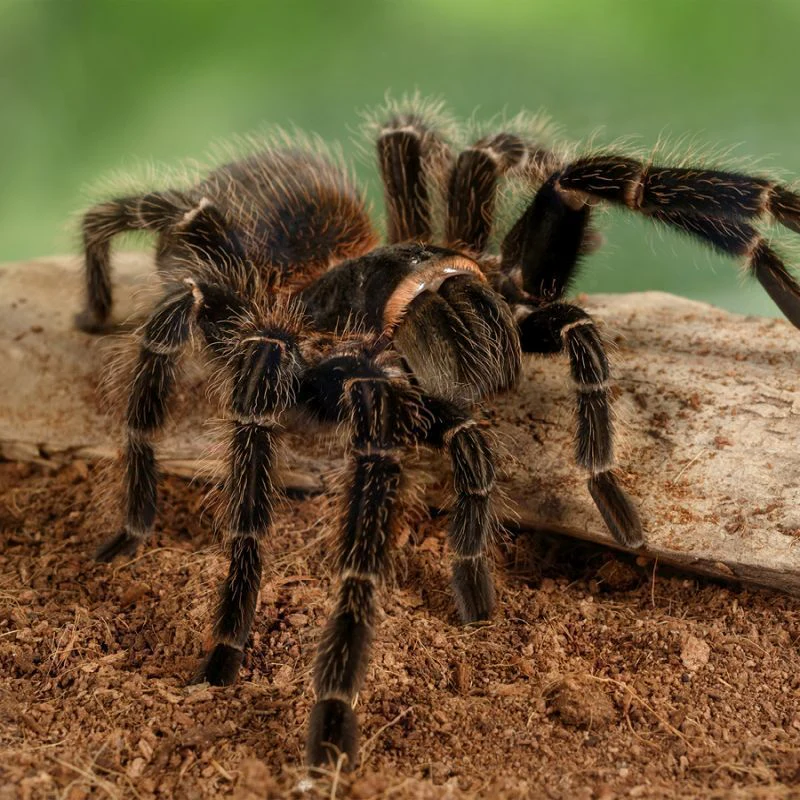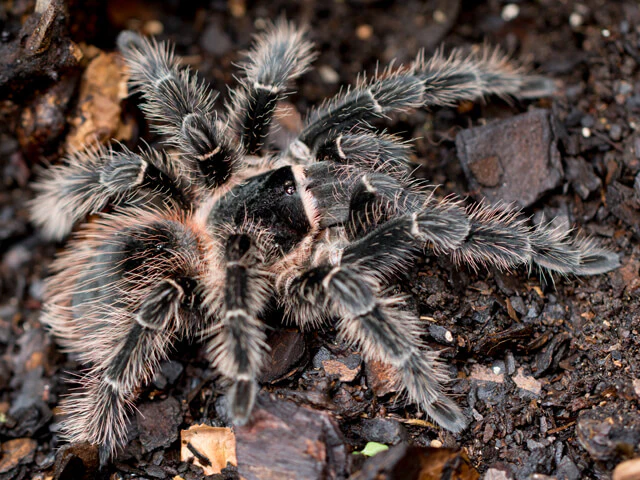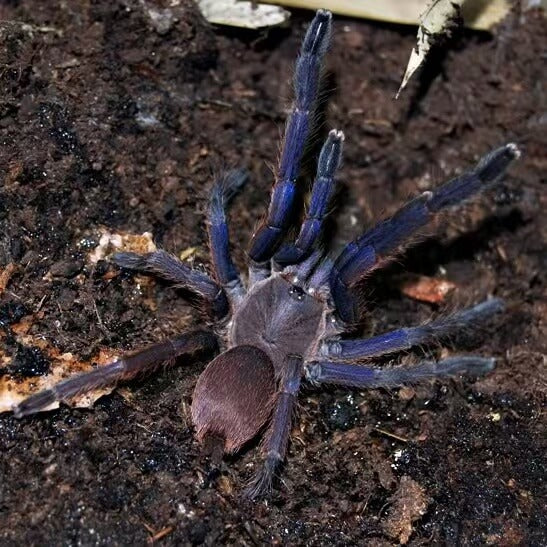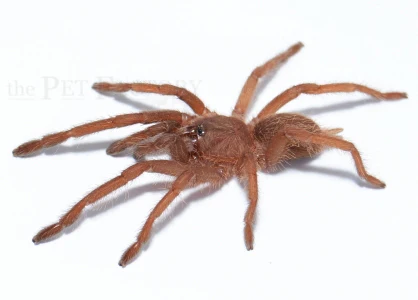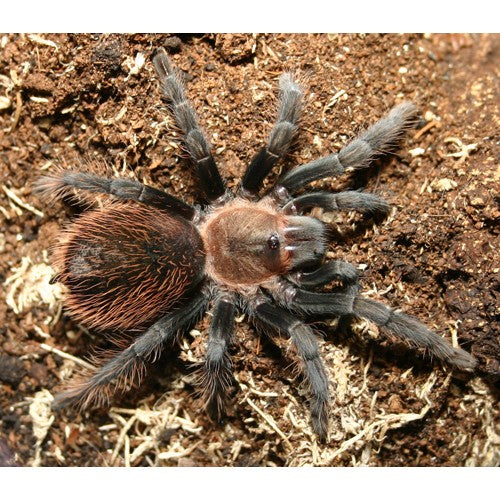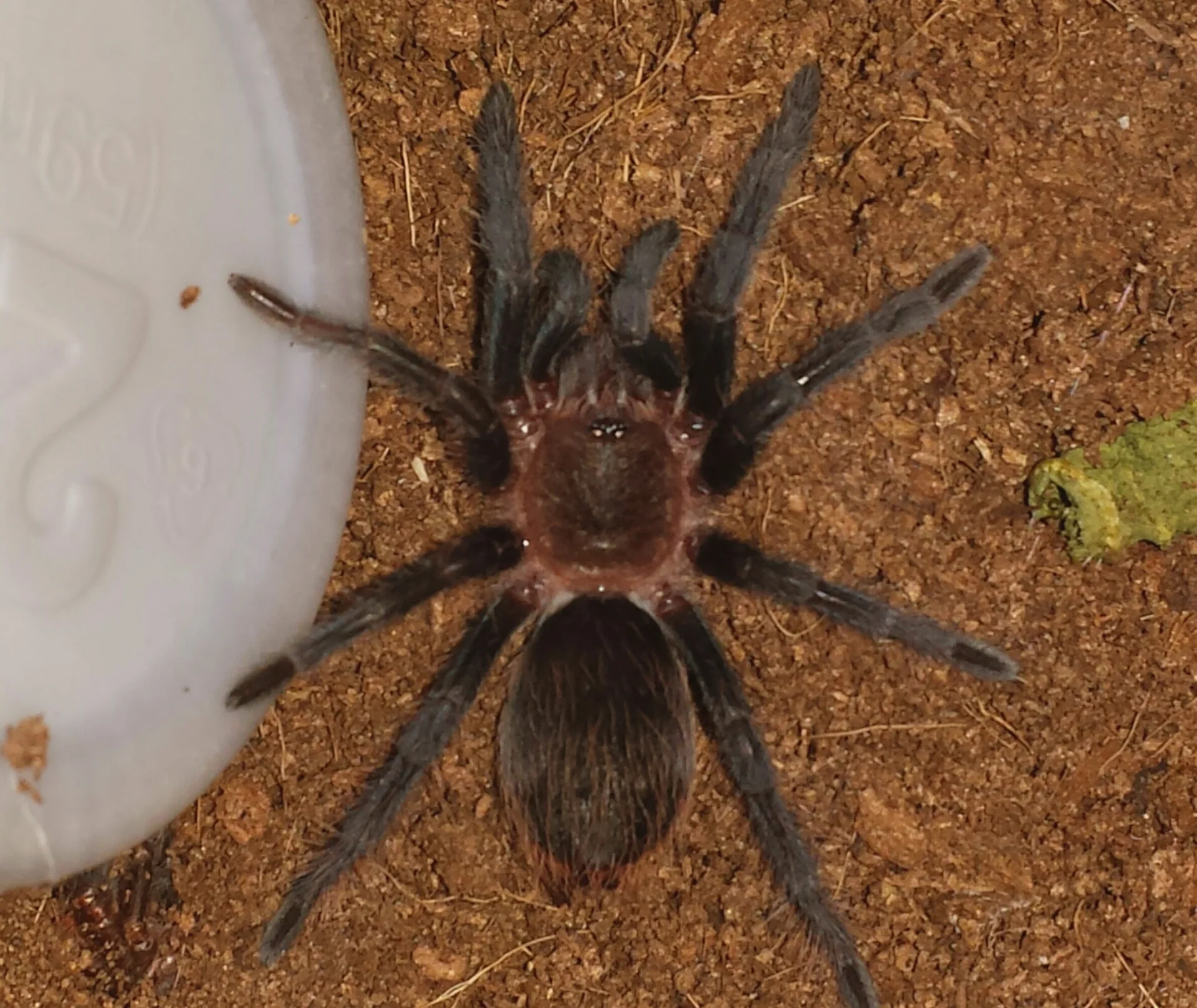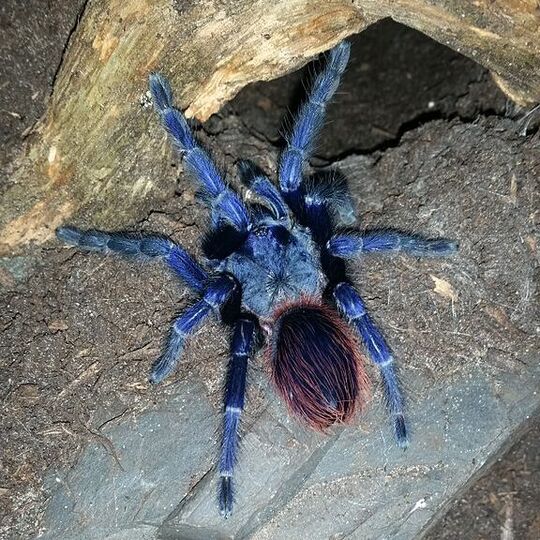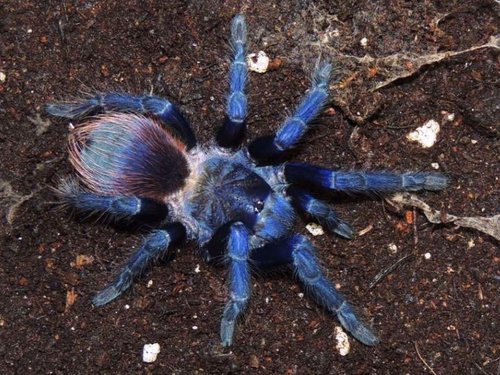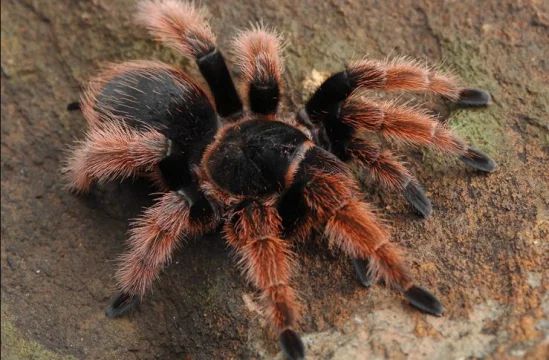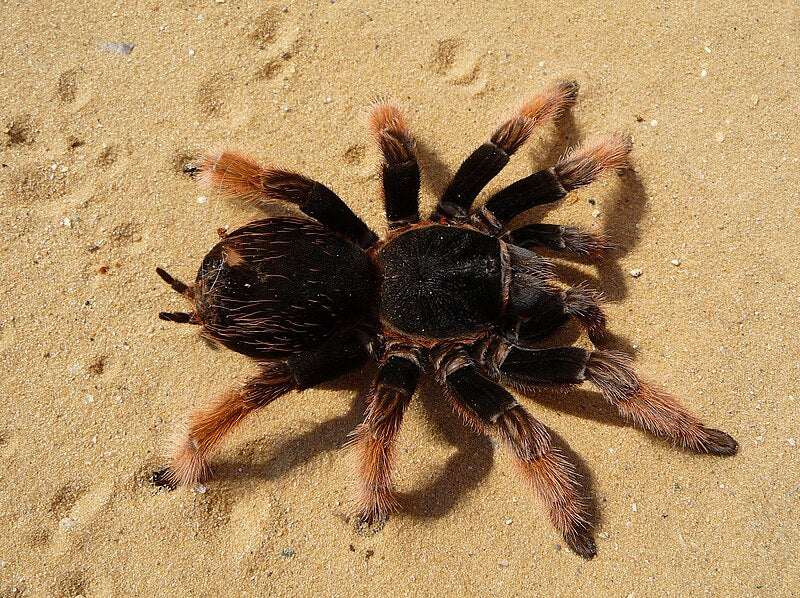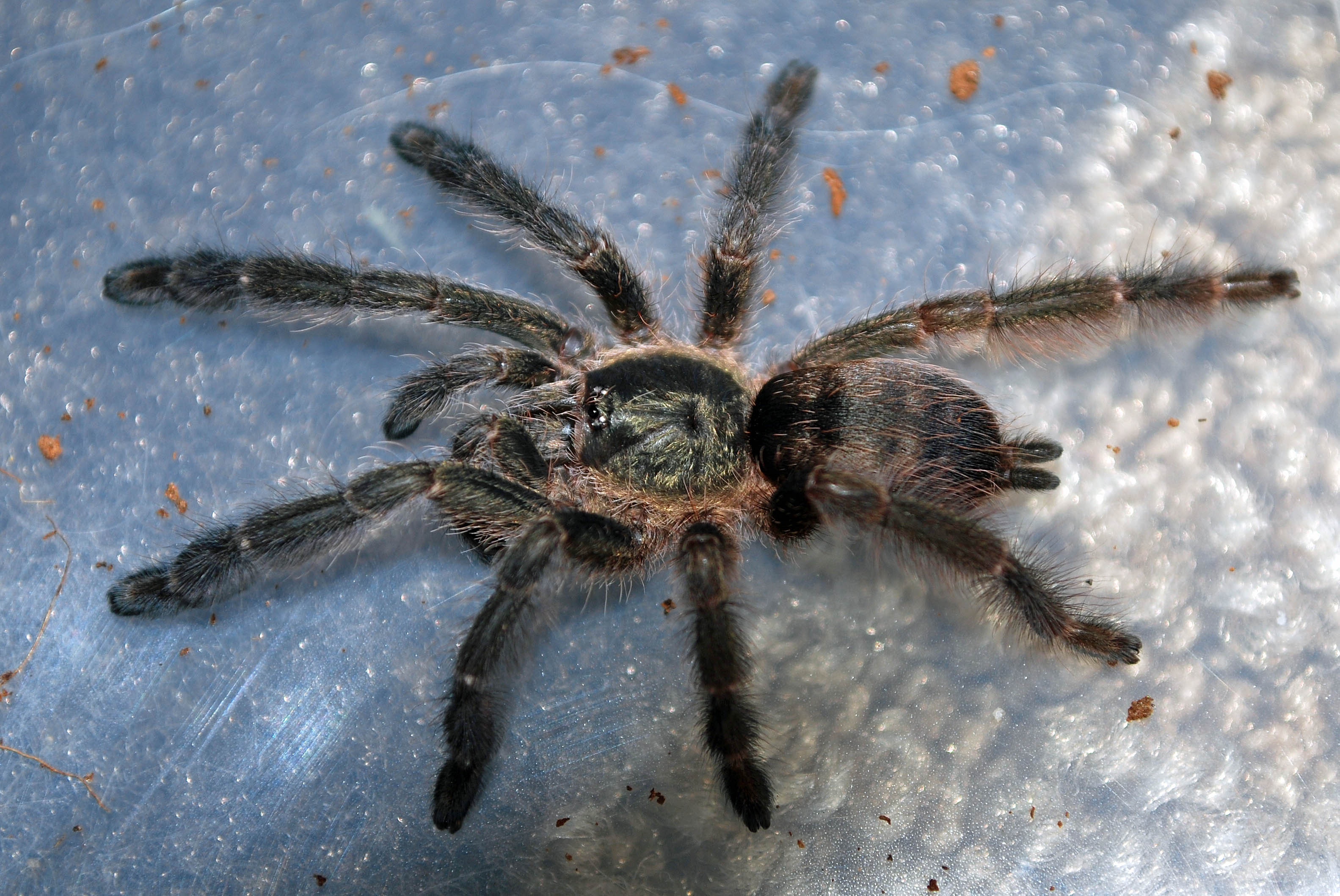
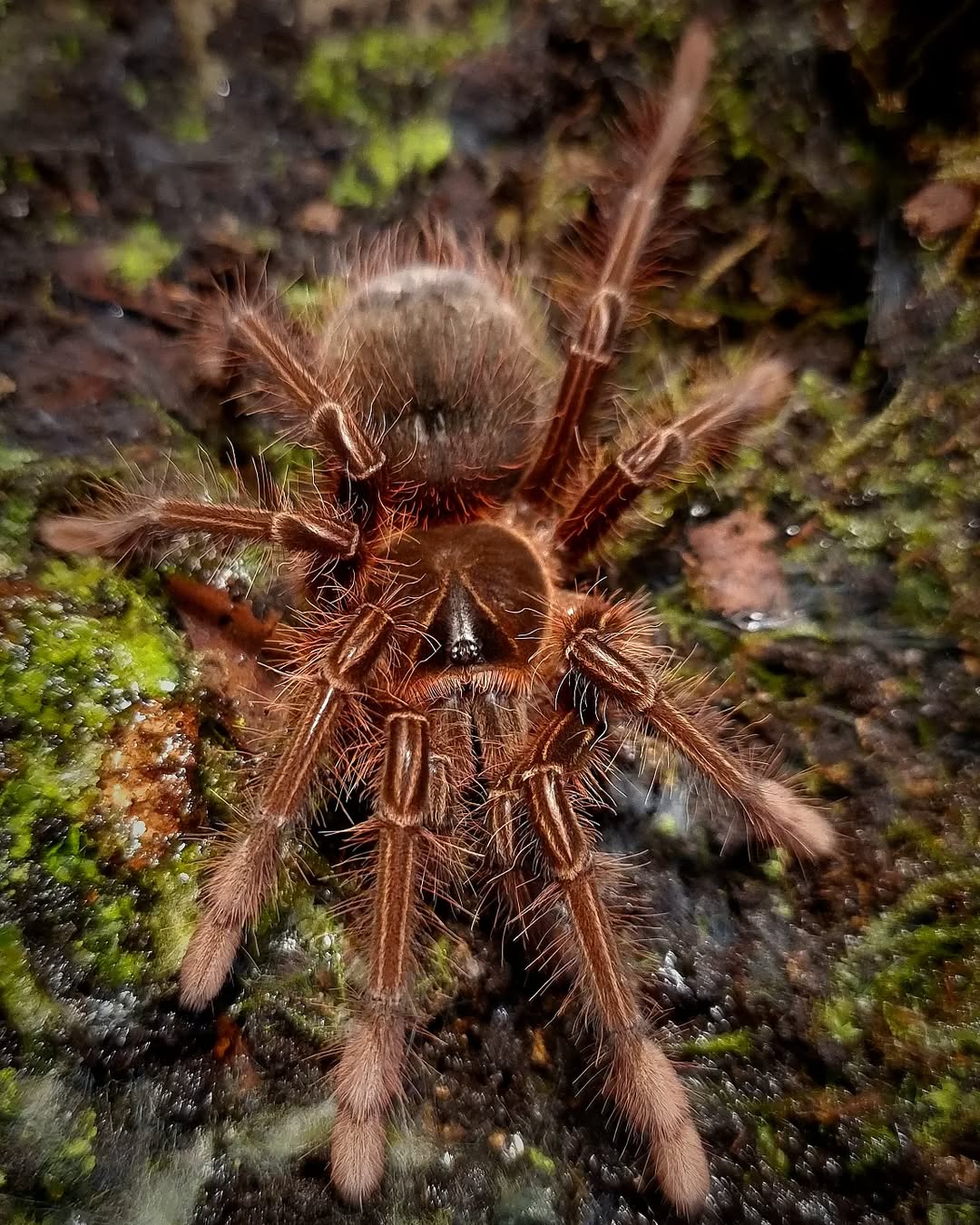
Pink foot goliath Birdeater Tarantula | Theraphosa apophysis
| Common Name | Pink Foot Goliath Birdeater |
| Scientific Name | Theraphosa apophysis |
| Origin | Venezuela, South America |
| Adult Size | 22–25 cm leg span |
| Lifespan | Females: 15–20 years, Males: 3–4 years |
| Activity | Terrestrial, nocturnal predator |
Behavior
-
One of the largest tarantula species in the world.
-
Generally defensive and may flick urticating hairs when disturbed.
-
Terrestrial species that prefers to stay near burrows or hides.
-
Not recommended for handling due to size, strength, and defensive nature.
Enclosure Requirements
-
Tank Size: Minimum 50–60 liters for a single adult
-
Substrate: 15–20 cm of coconut fiber, peat moss, or soil mix to allow burrowing
-
Decor: Cork bark hides, logs, and stable structures for shelter
-
Humidity: 75–85%
-
Temperature:
-
Day: 24–28°C
-
Night: 20–24°C
-
-
Lighting: Low light; indirect only
-
Ventilation: Good airflow while maintaining humidity
Compatibility
-
Must be housed singly; highly territorial toward other spiders.
-
Avoid housing with any other invertebrates.
Diet
-
Carnivorous; feeds on large live prey:
-
Crickets
-
Roaches
-
Mealworms / superworms
-
Occasionally larger prey for adults
-
-
Feed juveniles 2–3× per week; adults 1–2× per week
-
Provide a shallow water dish for drinking
-
Remove uneaten prey after 24 hours
Care Tips
-
Maintain high humidity with slightly moist substrate.
-
Provide deep substrate for burrowing and security.
-
Avoid handling; species may flick irritating hairs when stressed.
-
Spot-clean regularly and monitor enclosure conditions.
-
Ensure enclosure is secure to prevent escapes.
Breeding
-
Oviparous; females produce egg sacs containing several hundred eggs.
-
Incubation typically lasts 6–10 weeks depending on environmental conditions.
-
Spiderlings are independent once hatched and require small live prey.
Visual Quick Guide
-
🏠 Enclosure: ≥50–60 L, deep substrate, hides
-
🌡️ Temp: Day 24–28°C / Night 20–24°C
-
💧 Humidity: 75–85%
-
🍴 Diet: Carnivorous (large live insects)
-
🕒 Activity: Nocturnal, terrestrial hunter
-
⚠️ Stress: Avoid handling; provide deep substrate and stable humidity
Please note: We don't ship live animals. You can order online and choose click and collect, and we will hold it for you.
Product Information
Product Information
Shipping & Returns
Shipping & Returns
Description
| Common Name | Pink Foot Goliath Birdeater |
| Scientific Name | Theraphosa apophysis |
| Origin | Venezuela, South America |
| Adult Size | 22–25 cm leg span |
| Lifespan | Females: 15–20 years, Males: 3–4 years |
| Activity | Terrestrial, nocturnal predator |
Behavior
-
One of the largest tarantula species in the world.
-
Generally defensive and may flick urticating hairs when disturbed.
-
Terrestrial species that prefers to stay near burrows or hides.
-
Not recommended for handling due to size, strength, and defensive nature.
Enclosure Requirements
-
Tank Size: Minimum 50–60 liters for a single adult
-
Substrate: 15–20 cm of coconut fiber, peat moss, or soil mix to allow burrowing
-
Decor: Cork bark hides, logs, and stable structures for shelter
-
Humidity: 75–85%
-
Temperature:
-
Day: 24–28°C
-
Night: 20–24°C
-
-
Lighting: Low light; indirect only
-
Ventilation: Good airflow while maintaining humidity
Compatibility
-
Must be housed singly; highly territorial toward other spiders.
-
Avoid housing with any other invertebrates.
Diet
-
Carnivorous; feeds on large live prey:
-
Crickets
-
Roaches
-
Mealworms / superworms
-
Occasionally larger prey for adults
-
-
Feed juveniles 2–3× per week; adults 1–2× per week
-
Provide a shallow water dish for drinking
-
Remove uneaten prey after 24 hours
Care Tips
-
Maintain high humidity with slightly moist substrate.
-
Provide deep substrate for burrowing and security.
-
Avoid handling; species may flick irritating hairs when stressed.
-
Spot-clean regularly and monitor enclosure conditions.
-
Ensure enclosure is secure to prevent escapes.
Breeding
-
Oviparous; females produce egg sacs containing several hundred eggs.
-
Incubation typically lasts 6–10 weeks depending on environmental conditions.
-
Spiderlings are independent once hatched and require small live prey.
Visual Quick Guide
-
🏠 Enclosure: ≥50–60 L, deep substrate, hides
-
🌡️ Temp: Day 24–28°C / Night 20–24°C
-
💧 Humidity: 75–85%
-
🍴 Diet: Carnivorous (large live insects)
-
🕒 Activity: Nocturnal, terrestrial hunter
-
⚠️ Stress: Avoid handling; provide deep substrate and stable humidity
Please note: We don't ship live animals. You can order online and choose click and collect, and we will hold it for you.