🎉 Up to 70% Off Selected ItemsShop Sale

1 / 2
Prunus serrulata Amanogawa Japanese Flowering Cherry Tree (10 Litre)
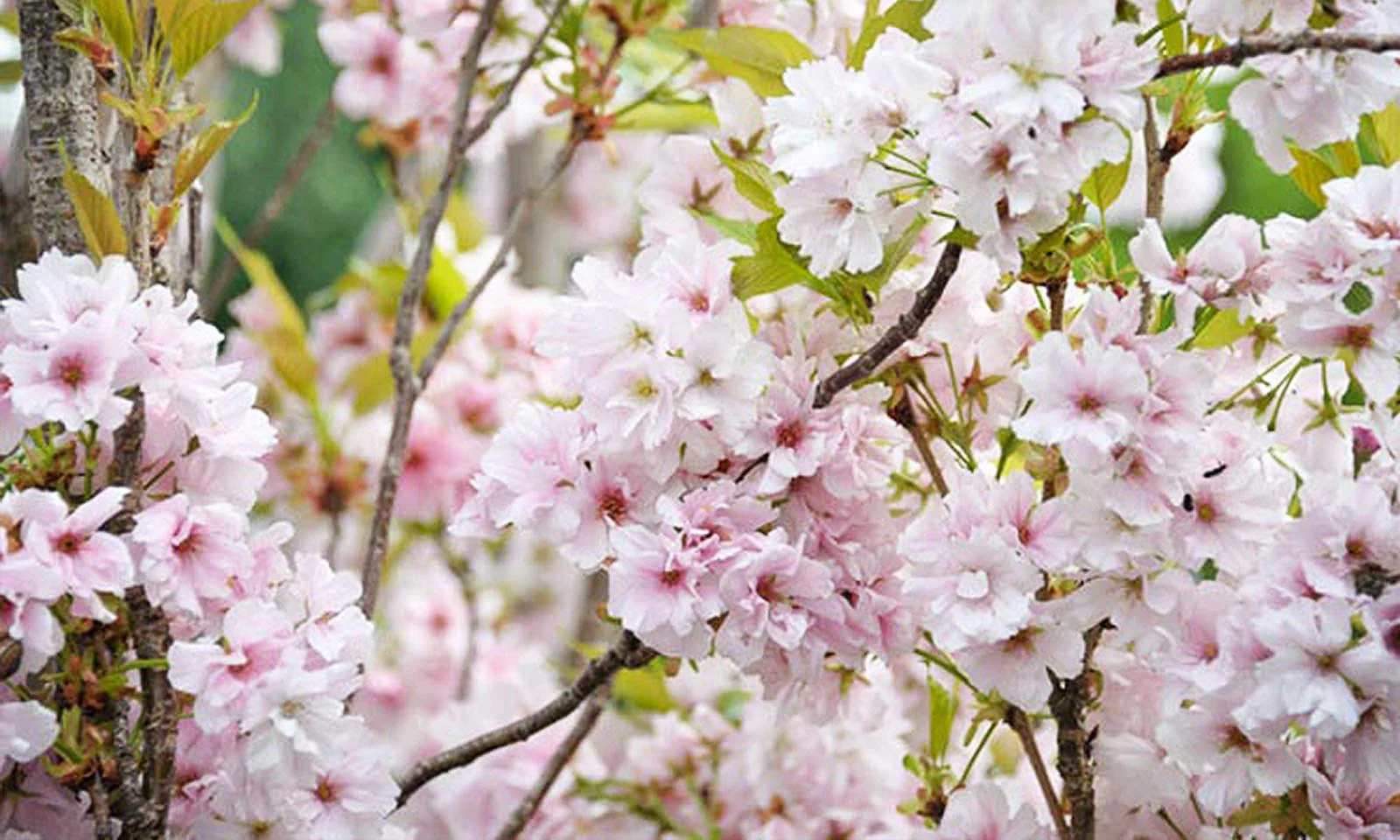
Prunus serrulata Amanogawa is a slow-growing deciduous tree with a narrow, columnar crown.The young leaves are bronze-coloured; they turn to mid-green and then to yellow and orange in autumn. Pure pink, double flowers hang in clusters on the upright branches and bloom from April to May.
Plant Size
- Mature Height:5m
- Mature Spread: 1-2m
Why We Love It
- Mass of blooms cover tree's canopy from March to April
- Slightly fragrant
- Green foliage turns red in Autumn
What To Know
- Position: Full sun
- Soil: Tolerates most soil
- Rate of growth: Average
- Flowering period: Spring
- Flower colour: Powder pink
- Hardiness: Disease resistant
How to Care
- Position the Amanogawa cherry in full sunlight, such as on the southern or western side of a building. About six hours or more hours of sun per day will help the cherrys petals reach their full vibrancy,although this tree also tolerates partial shade.
- Japanese flowering cherry isn't too picky about soil acidity and can grow in well-drained sandy and loamy soils with a pH ranging from about 4.5 to 7.5.
- Apply a general-use fertilizer to the tree according to the instructions on the label upon planting and once every few years in early spring.
- Keep the soil around the Amanogawa cherry moist but not drenched or waterlogged. Follow a weekly watering schedule during the tree's youth. At maturity, you can pare back your watering schedule.
- Prune during the late spring to mid-summer seasons to prevent bacterial cankers and silver leaf, which may develop from fall and early winter prunings, from entering the tree through the wounds
- Prevent blossom wilt by promptly removing brown or rotted fruit and trimming any infected spurs or blossoms.
Plant Size
- Mature Height:5m
- Mature Spread: 1-2m
Why We Love It
- Mass of blooms cover tree's canopy from March to April
- Slightly fragrant
- Green foliage turns red in Autumn
What To Know
- Position: Full sun
- Soil: Tolerates most soil
- Rate of growth: Average
- Flowering period: Spring
- Flower colour: Powder pink
- Hardiness: Disease resistant
How to Care
- Position the Amanogawa cherry in full sunlight, such as on the southern or western side of a building. About six hours or more hours of sun per day will help the cherrys petals reach their full vibrancy,although this tree also tolerates partial shade.
- Japanese flowering cherry isn't too picky about soil acidity and can grow in well-drained sandy and loamy soils with a pH ranging from about 4.5 to 7.5.
- Apply a general-use fertilizer to the tree according to the instructions on the label upon planting and once every few years in early spring.
- Keep the soil around the Amanogawa cherry moist but not drenched or waterlogged. Follow a weekly watering schedule during the tree's youth. At maturity, you can pare back your watering schedule.
- Prune during the late spring to mid-summer seasons to prevent bacterial cankers and silver leaf, which may develop from fall and early winter prunings, from entering the tree through the wounds
- Prevent blossom wilt by promptly removing brown or rotted fruit and trimming any infected spurs or blossoms.
$26.57
Original: $75.91
-65%Prunus serrulata Amanogawa Japanese Flowering Cherry Tree (10 Litre)—
$75.91
$26.57Product Information
Product Information
Shipping & Returns
Shipping & Returns
Description
Prunus serrulata Amanogawa is a slow-growing deciduous tree with a narrow, columnar crown.The young leaves are bronze-coloured; they turn to mid-green and then to yellow and orange in autumn. Pure pink, double flowers hang in clusters on the upright branches and bloom from April to May.
Plant Size
- Mature Height:5m
- Mature Spread: 1-2m
Why We Love It
- Mass of blooms cover tree's canopy from March to April
- Slightly fragrant
- Green foliage turns red in Autumn
What To Know
- Position: Full sun
- Soil: Tolerates most soil
- Rate of growth: Average
- Flowering period: Spring
- Flower colour: Powder pink
- Hardiness: Disease resistant
How to Care
- Position the Amanogawa cherry in full sunlight, such as on the southern or western side of a building. About six hours or more hours of sun per day will help the cherrys petals reach their full vibrancy,although this tree also tolerates partial shade.
- Japanese flowering cherry isn't too picky about soil acidity and can grow in well-drained sandy and loamy soils with a pH ranging from about 4.5 to 7.5.
- Apply a general-use fertilizer to the tree according to the instructions on the label upon planting and once every few years in early spring.
- Keep the soil around the Amanogawa cherry moist but not drenched or waterlogged. Follow a weekly watering schedule during the tree's youth. At maturity, you can pare back your watering schedule.
- Prune during the late spring to mid-summer seasons to prevent bacterial cankers and silver leaf, which may develop from fall and early winter prunings, from entering the tree through the wounds
- Prevent blossom wilt by promptly removing brown or rotted fruit and trimming any infected spurs or blossoms.
Plant Size
- Mature Height:5m
- Mature Spread: 1-2m
Why We Love It
- Mass of blooms cover tree's canopy from March to April
- Slightly fragrant
- Green foliage turns red in Autumn
What To Know
- Position: Full sun
- Soil: Tolerates most soil
- Rate of growth: Average
- Flowering period: Spring
- Flower colour: Powder pink
- Hardiness: Disease resistant
How to Care
- Position the Amanogawa cherry in full sunlight, such as on the southern or western side of a building. About six hours or more hours of sun per day will help the cherrys petals reach their full vibrancy,although this tree also tolerates partial shade.
- Japanese flowering cherry isn't too picky about soil acidity and can grow in well-drained sandy and loamy soils with a pH ranging from about 4.5 to 7.5.
- Apply a general-use fertilizer to the tree according to the instructions on the label upon planting and once every few years in early spring.
- Keep the soil around the Amanogawa cherry moist but not drenched or waterlogged. Follow a weekly watering schedule during the tree's youth. At maturity, you can pare back your watering schedule.
- Prune during the late spring to mid-summer seasons to prevent bacterial cankers and silver leaf, which may develop from fall and early winter prunings, from entering the tree through the wounds
- Prevent blossom wilt by promptly removing brown or rotted fruit and trimming any infected spurs or blossoms.