
Suriname Red Tail boa
Suriname Red Tail Boa (Boa constrictor constrictor) Care Sheet
Quick Facts
| Attribute | Details |
|---|---|
| Common Name | Suriname Red Tail Boa |
| Scientific Name | Boa constrictor constrictor |
| Origin | Suriname, South America |
| Adult Size | 180–250 cm (females larger than males) |
| Lifespan | 20–30 years in captivity |
| Activity | Nocturnal / crepuscular, terrestrial predator |
Behavior
-
Generally docile but can be defensive when young or stressed.
-
Terrestrial; may climb occasionally if enclosure allows.
-
Nocturnal hunter; most active at night.
-
Excellent beginner-to-intermediate snake; requires proper handling as it grows.
Enclosure Requirements
-
Tank Size: Minimum 180–250 liters for an adult; secure, heavy lid required
-
Substrate: Aspen shavings, coconut fiber, cypress mulch, or reptile-safe soil
-
Decor: Hides at warm and cool ends, branches for climbing, rocks, and logs
-
Humidity: 60–70% (slightly higher during shedding)
-
Temperature:
-
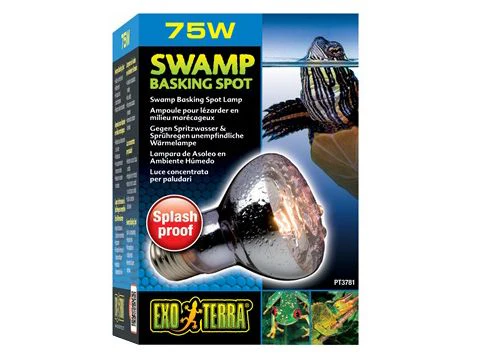
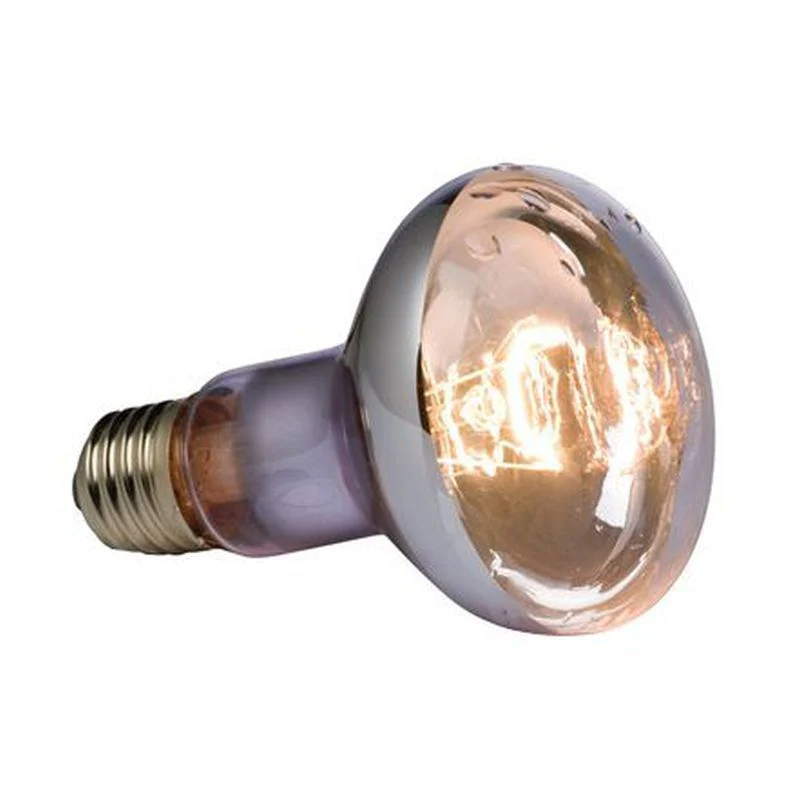
Basking / warm hide: 30–32°C
-
Ambient: 26–28°C
-
Night: 22–24°C
-
-
Lighting: Indirect or low light; UVB optional but not required
-
Ventilation: Moderate airflow
Compatibility
-
Best housed singly; territorial and strong constrictors.
-
Avoid cohabiting with other snakes or small reptiles.
Diet
-
Carnivorous; feeds on appropriately sized rodents or rabbits:
-
Frozen-thawed or pre-killed prey preferred
-
-
Juveniles: feed every 7–10 days
-
Adults: feed every 10–14 days
-
Provide a large water dish for drinking and soaking
Care Tips
-
Provide hiding spots at both ends of the enclosure.
-
Maintain stable temperature and humidity for health and digestion.
-
Spot-clean regularly; remove feces, shed skin, and uneaten prey.
-
Handle carefully and regularly to maintain docility.
-
Monitor for signs of illness, refusal to eat, or shedding issues.
Breeding
-
Ovoviviparous; females give birth to live young, typically 10–60 per litter.
-
Neonates are independent and require appropriately sized prey.
-
Breeding usually requires proper seasonal temperature and humidity cycles.
Visual Quick Guide
-
🏠 Enclosure: ≥180–250 L, hides, climbing branches, substrate for burrowing
-
🌡️ Temp: Basking 30–32°C / Ambient 26–28°C / Night 22–24°C
-
💧 Humidity: 60–70%
-
🍴 Diet: Carnivorous (appropriately sized rodents/rabbits)
-
🕒 Activity: Nocturnal / crepuscular, terrestrial
-
⚠️ Stress: Provide hides, stable environment, handle carefully
Please note: We don't ship live animals. You can order online and choose click and collect, and we will hold it for you.
Product Information
Product Information
Shipping & Returns
Shipping & Returns
Description
Suriname Red Tail Boa (Boa constrictor constrictor) Care Sheet
Quick Facts
| Attribute | Details |
|---|---|
| Common Name | Suriname Red Tail Boa |
| Scientific Name | Boa constrictor constrictor |
| Origin | Suriname, South America |
| Adult Size | 180–250 cm (females larger than males) |
| Lifespan | 20–30 years in captivity |
| Activity | Nocturnal / crepuscular, terrestrial predator |
Behavior
-
Generally docile but can be defensive when young or stressed.
-
Terrestrial; may climb occasionally if enclosure allows.
-
Nocturnal hunter; most active at night.
-
Excellent beginner-to-intermediate snake; requires proper handling as it grows.
Enclosure Requirements
-
Tank Size: Minimum 180–250 liters for an adult; secure, heavy lid required
-
Substrate: Aspen shavings, coconut fiber, cypress mulch, or reptile-safe soil
-
Decor: Hides at warm and cool ends, branches for climbing, rocks, and logs
-
Humidity: 60–70% (slightly higher during shedding)
-
Temperature:
-
Basking / warm hide: 30–32°C
-
Ambient: 26–28°C
-
Night: 22–24°C
-
-
Lighting: Indirect or low light; UVB optional but not required
-
Ventilation: Moderate airflow
Compatibility
-
Best housed singly; territorial and strong constrictors.
-
Avoid cohabiting with other snakes or small reptiles.
Diet
-
Carnivorous; feeds on appropriately sized rodents or rabbits:
-
Frozen-thawed or pre-killed prey preferred
-
-
Juveniles: feed every 7–10 days
-
Adults: feed every 10–14 days
-
Provide a large water dish for drinking and soaking
Care Tips
-
Provide hiding spots at both ends of the enclosure.
-
Maintain stable temperature and humidity for health and digestion.
-
Spot-clean regularly; remove feces, shed skin, and uneaten prey.
-
Handle carefully and regularly to maintain docility.
-
Monitor for signs of illness, refusal to eat, or shedding issues.
Breeding
-
Ovoviviparous; females give birth to live young, typically 10–60 per litter.
-
Neonates are independent and require appropriately sized prey.
-
Breeding usually requires proper seasonal temperature and humidity cycles.
Visual Quick Guide
-
🏠 Enclosure: ≥180–250 L, hides, climbing branches, substrate for burrowing
-
🌡️ Temp: Basking 30–32°C / Ambient 26–28°C / Night 22–24°C
-
💧 Humidity: 60–70%
-
🍴 Diet: Carnivorous (appropriately sized rodents/rabbits)
-
🕒 Activity: Nocturnal / crepuscular, terrestrial
-
⚠️ Stress: Provide hides, stable environment, handle carefully
Please note: We don't ship live animals. You can order online and choose click and collect, and we will hold it for you.