
Three Spot Gourami Medium
The Three Spot Gourami (Trichopodus trichopterus), also known as the Blue Gourami, Opaline Gourami, or Gold Gourami (depending on color variant), is a popular freshwater aquarium fish from Southeast Asia.
Here’s a quick overview:
🐟 Basic Info
-
Scientific name: Trichopodus trichopterus
-
Common names: Three Spot Gourami, Blue Gourami, Opaline Gourami, Gold Gourami
-
Family: Osphronemidae
-
Origin: Thailand, Vietnam, Cambodia, Malaysia, Indonesia
-
Size: Up to 6 inches (15 cm)
-
Lifespan: 4–6 years (can live longer in ideal conditions)
🌿 Tank Requirements
-
Tank size: Minimum 30 gallons (larger for groups)
-
Water temperature: 24–28 °C (75–82 °F)
-
pH: 6.0–8.0
-
Hardness: 5–35 dGH
-
Filtration: Moderate; they prefer calm water
-
Aquascape: Heavily planted with open swimming space and some floating plants
🍽️ Diet
Omnivorous — they’ll eat:
-
Flake food and pellets
-
Frozen or live foods (brine shrimp, bloodworms, daphnia)
-
Some plant matter (they may nibble soft leaves or algae)
🧬 Behavior & Compatibility
-
Generally peaceful but can become territorial, especially males.
-
Best kept singly, in a pair, or in a group with enough space and hiding spots.
-
Compatible with peaceful community fish (e.g., tetras, rasboras, corydoras), but avoid fin-nippers or other aggressive species.
💧 Special Traits
-
Labyrinth organ: Like bettas, they can breathe air directly from the surface.
-
“Three spots”: The name comes from the dark spot at the mid-body and tail base — the third “spot” is actually the eye.
-
Color variants: Blue, gold, silver, and opaline are all selectively bred morphs.
Perfect 😊 — here’s a full guide on breeding and tank mates for the Three Spot Gourami (Trichopodus trichopterus):
🐣 Breeding Three Spot Gouramis
💧 Preparation
-
Separate breeding tank: 20–30 gallons, shallow (about 6–8 inches of water).
-
Temperature: 28–30 °C (82–86 °F).
-
pH: Around 7.0.
-
Setup:
-
Floating plants or Indian almond leaves for cover.
-
Gentle filtration (sponge filter).
-
Tight-fitting lid (warm, humid air helps fry develop their labyrinth organ).
-
♂️ Male Behavior
-
The male builds a bubble nest at the water surface using air bubbles and saliva, often under floating plants.
-
He becomes territorial and will guard the nest area.
♀️ Spawning
-
Introduce a well-fed pair (conditioned with live or frozen food).
-
Courtship involves circling and flaring; the male wraps around the female beneath the bubble nest.
-
The female releases hundreds of eggs — the male collects them and places them in the nest.
-
Remove the female after spawning to prevent aggression.
-
The male guards and tends the eggs until they hatch (24–36 hours).
🐟 Fry Care
-
Remove the male once fry become free-swimming (about 3–4 days after hatching).
-
Feed fry infusoria or liquid fry food initially, then transition to baby brine shrimp or finely crushed flakes.
-
Keep water very clean and stable.
🤝 Good Tank Mates
Three Spot Gouramis can be semi-aggressive, especially males — but they’re usually peaceful in a community setup with the right companions.
✅ Peaceful, Compatible Fish
-
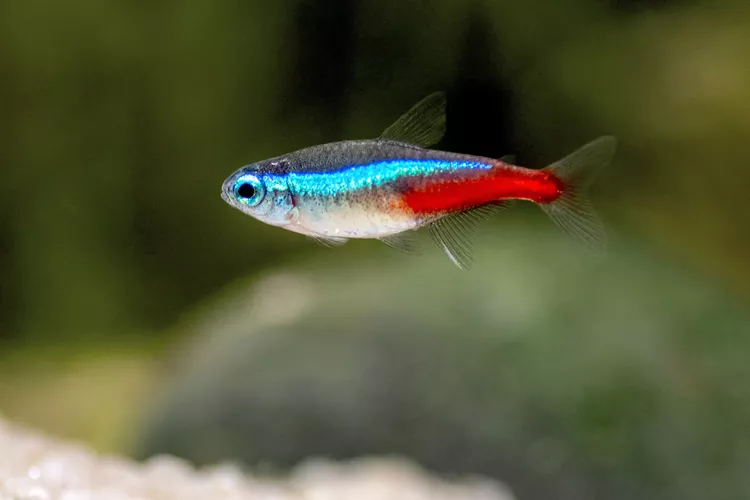
Tetras: Black skirt, lemon, glowlight, or neon tetras (avoid very small ones in smaller tanks).
-
Rasboras: Harlequin, scissortail, or brilliant rasboras.
-
Corydoras catfish
-
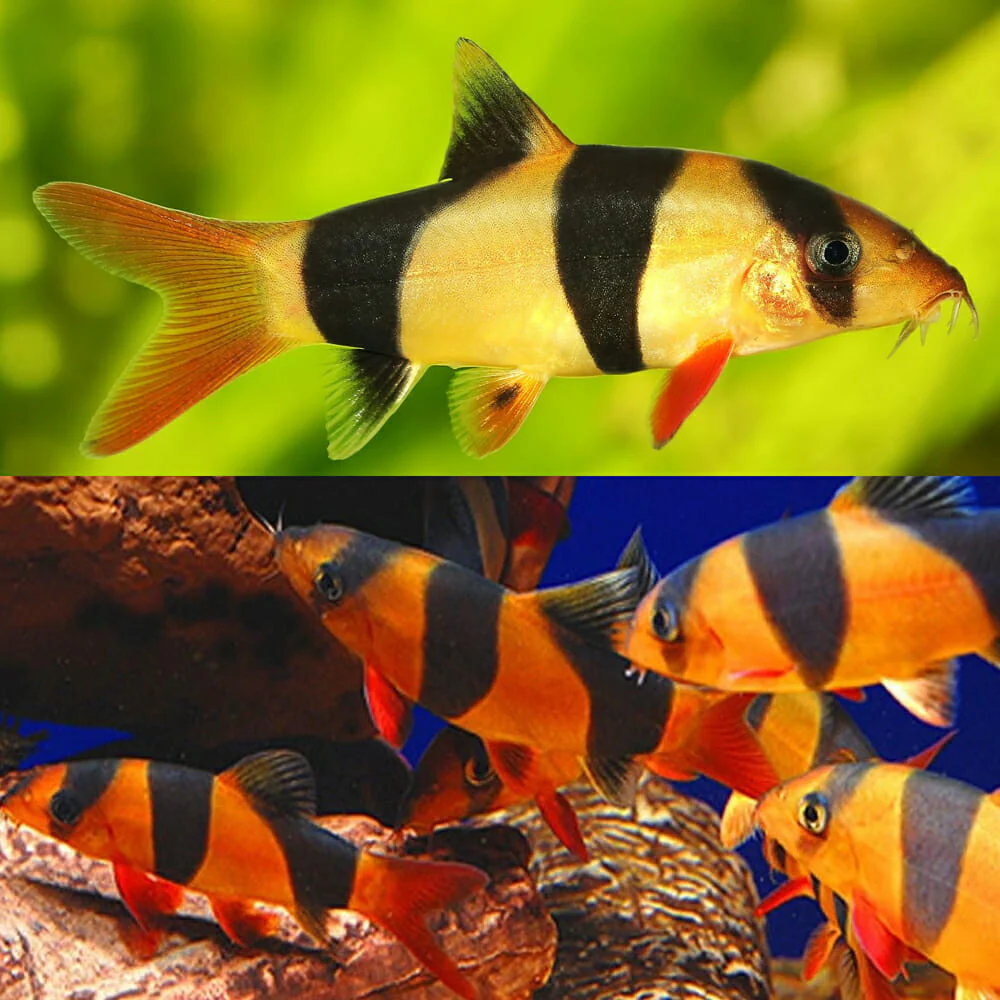
Loaches: Kuhli or zebra loaches.
-
Rainbowfish
-
Plecos: Bristlenose plecos (avoid large or aggressive ones).
-
Swordtails, mollies, platys, guppies (if tank is large enough).
⚠️ Avoid
-
Fin-nippers: Tiger barbs, serpae tetras.
-
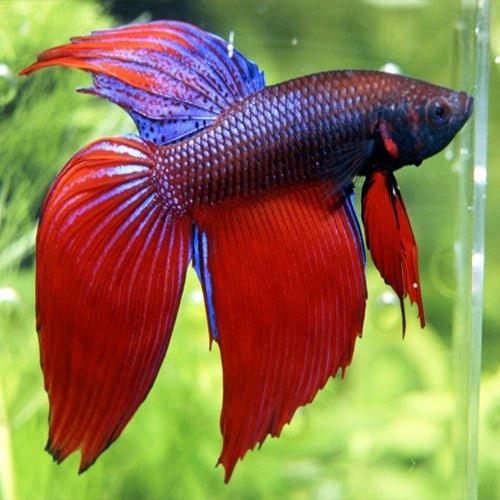
Aggressive fish: Cichlids, bettas, or large gouramis.
-
Multiple males in a small tank — they will fight over territory.
Original: $12.84
-65%$12.84
$4.49Product Information
Product Information
Shipping & Returns
Shipping & Returns
Description
The Three Spot Gourami (Trichopodus trichopterus), also known as the Blue Gourami, Opaline Gourami, or Gold Gourami (depending on color variant), is a popular freshwater aquarium fish from Southeast Asia.
Here’s a quick overview:
🐟 Basic Info
-
Scientific name: Trichopodus trichopterus
-
Common names: Three Spot Gourami, Blue Gourami, Opaline Gourami, Gold Gourami
-
Family: Osphronemidae
-
Origin: Thailand, Vietnam, Cambodia, Malaysia, Indonesia
-
Size: Up to 6 inches (15 cm)
-
Lifespan: 4–6 years (can live longer in ideal conditions)
🌿 Tank Requirements
-
Tank size: Minimum 30 gallons (larger for groups)
-
Water temperature: 24–28 °C (75–82 °F)
-
pH: 6.0–8.0
-
Hardness: 5–35 dGH
-
Filtration: Moderate; they prefer calm water
-
Aquascape: Heavily planted with open swimming space and some floating plants
🍽️ Diet
Omnivorous — they’ll eat:
-
Flake food and pellets
-
Frozen or live foods (brine shrimp, bloodworms, daphnia)
-
Some plant matter (they may nibble soft leaves or algae)
🧬 Behavior & Compatibility
-
Generally peaceful but can become territorial, especially males.
-
Best kept singly, in a pair, or in a group with enough space and hiding spots.
-
Compatible with peaceful community fish (e.g., tetras, rasboras, corydoras), but avoid fin-nippers or other aggressive species.
💧 Special Traits
-
Labyrinth organ: Like bettas, they can breathe air directly from the surface.
-
“Three spots”: The name comes from the dark spot at the mid-body and tail base — the third “spot” is actually the eye.
-
Color variants: Blue, gold, silver, and opaline are all selectively bred morphs.
Perfect 😊 — here’s a full guide on breeding and tank mates for the Three Spot Gourami (Trichopodus trichopterus):
🐣 Breeding Three Spot Gouramis
💧 Preparation
-
Separate breeding tank: 20–30 gallons, shallow (about 6–8 inches of water).
-
Temperature: 28–30 °C (82–86 °F).
-
pH: Around 7.0.
-
Setup:
-
Floating plants or Indian almond leaves for cover.
-
Gentle filtration (sponge filter).
-
Tight-fitting lid (warm, humid air helps fry develop their labyrinth organ).
-
♂️ Male Behavior
-
The male builds a bubble nest at the water surface using air bubbles and saliva, often under floating plants.
-
He becomes territorial and will guard the nest area.
♀️ Spawning
-
Introduce a well-fed pair (conditioned with live or frozen food).
-
Courtship involves circling and flaring; the male wraps around the female beneath the bubble nest.
-
The female releases hundreds of eggs — the male collects them and places them in the nest.
-
Remove the female after spawning to prevent aggression.
-
The male guards and tends the eggs until they hatch (24–36 hours).
🐟 Fry Care
-
Remove the male once fry become free-swimming (about 3–4 days after hatching).
-
Feed fry infusoria or liquid fry food initially, then transition to baby brine shrimp or finely crushed flakes.
-
Keep water very clean and stable.
🤝 Good Tank Mates
Three Spot Gouramis can be semi-aggressive, especially males — but they’re usually peaceful in a community setup with the right companions.
✅ Peaceful, Compatible Fish
-
Tetras: Black skirt, lemon, glowlight, or neon tetras (avoid very small ones in smaller tanks).
-
Rasboras: Harlequin, scissortail, or brilliant rasboras.
-
Corydoras catfish
-
Loaches: Kuhli or zebra loaches.
-
Rainbowfish
-
Plecos: Bristlenose plecos (avoid large or aggressive ones).
-
Swordtails, mollies, platys, guppies (if tank is large enough).
⚠️ Avoid
-
Fin-nippers: Tiger barbs, serpae tetras.
-
Aggressive fish: Cichlids, bettas, or large gouramis.
-
Multiple males in a small tank — they will fight over territory.